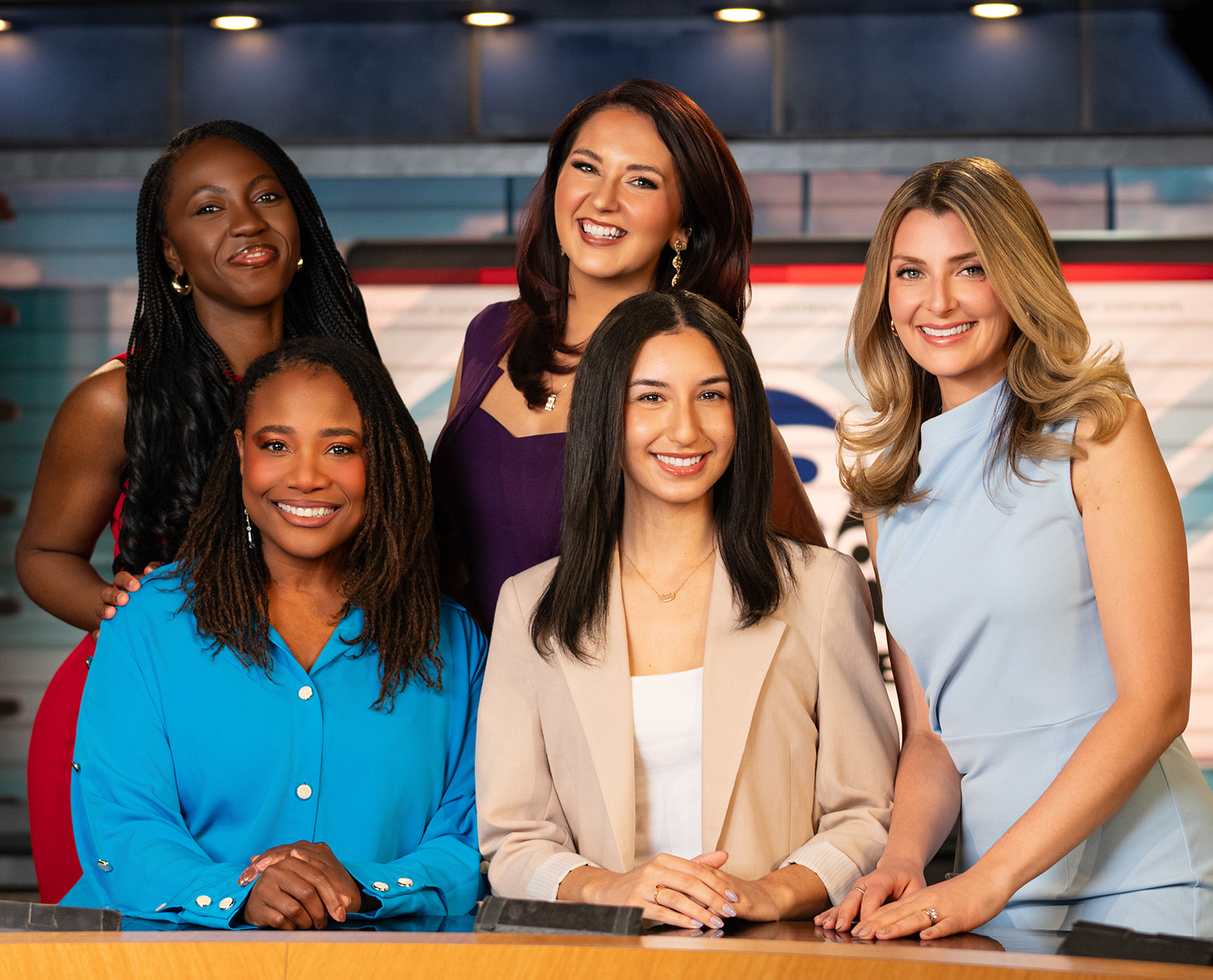

PHOTOS BY CHRISOM BEBEE
THE WOMEN OF 13WHAM BREAKING BARRIERS ON AND OFF THE AIR
Every day, they wake before the sun rises, step in front of the camera, and deliver the stories that shape our community. They guide us through breaking news, celebrate our triumphs, help us navigate challenges, and keep us informed when it matters most. But behind the anchor desk, weather maps, and sports highlights are remarkable women with stories every bit as compelling as the ones they tell.
For this special cover feature of Rochester Woman Online, we are proud to spotlight five extraordinary women of 13WHAM who are not only leaders in journalism but also powerful examples of resilience, authenticity, determination, and heart.
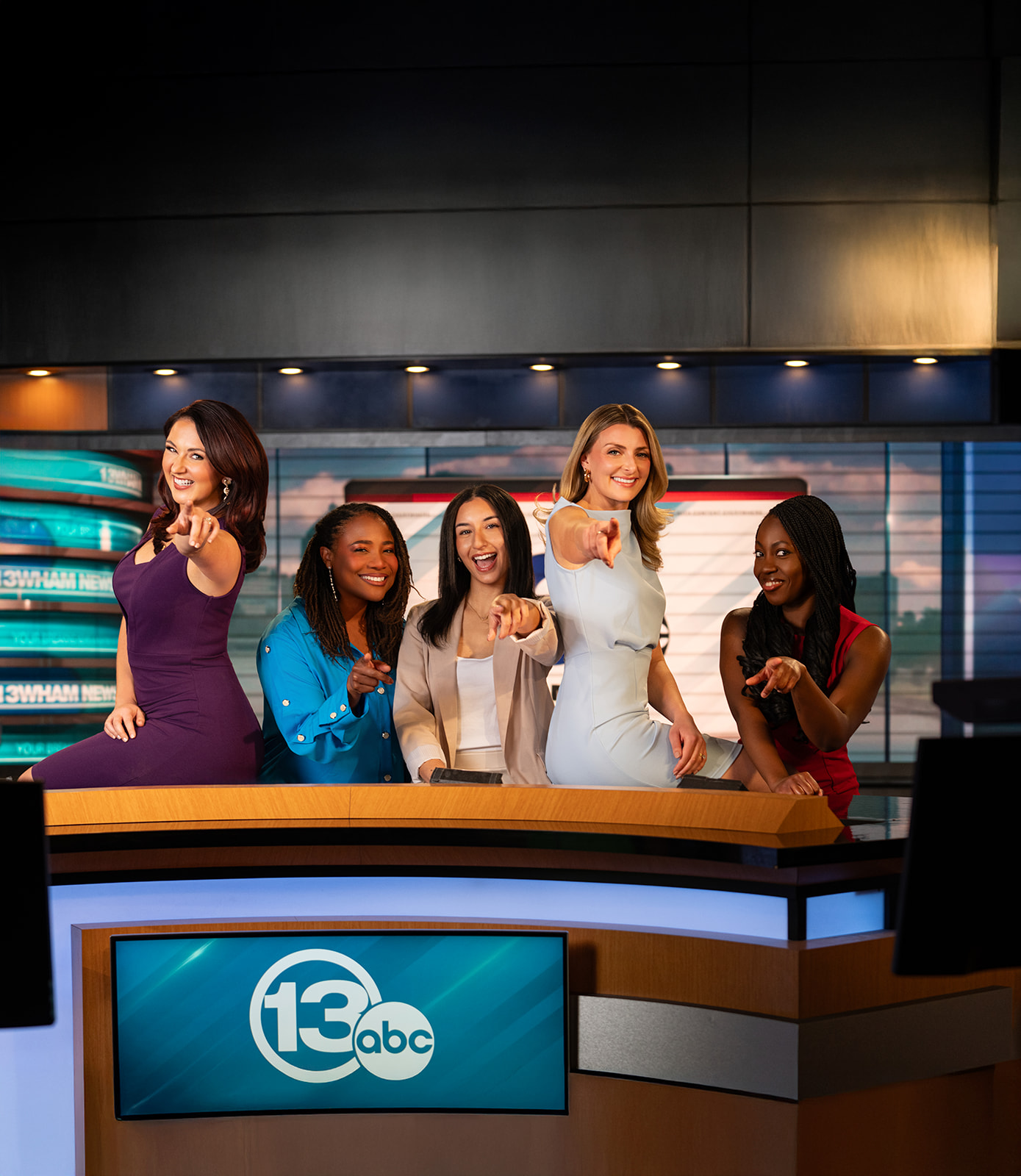 From the moment Abby Fridmann first stepped into a 13WHAM satellite truck as a college student and discovered her calling, to Stephannie Joseph chasing her dream across state lines with little more than ambition and courage, these women remind us that success is rarely a straight path. It is built through hard work, perseverance, and the willingness to take chances on yourself.
As evening anchor Karen Edwards reflects on a career covering some of the most important stories in New York State, sports anchor Jenna Cottrell shares a journey marked by personal triumph over cancer and an unwavering passion for sports storytelling. Meanwhile, meteorologist Selena Ramos demonstrates how curiosity, science, and determination can inspire the next generation of women pursuing careers in STEM.
What struck me most while interviewing these incredible women wasn’t simply their professional accomplishments—though there are many. It was their humility. Their commitment to community. Their belief that every person has a story worth telling. And perhaps most importantly, their desire to use their platforms to lift others up along the way.
These women represent the very essence of what Rochester Woman Online has stood for over the past 17 years: empowering women to take up space, use their voices, break barriers, and lead with authenticity. Whether they are reporting from the scene of breaking news, covering championship seasons, tracking severe weather, mentoring future journalists, or inspiring young girls to dream bigger, they are making an impact far beyond the television screen.
Their journeys remind us that leadership doesn’t require perfection. It requires courage. It requires showing up. It requires being willing to keep moving forward, even when the path isn’t easy.
This month, we invite you to get to know the women behind the headlines—the journalists, storytellers, mentors, role models, and trailblazers who help keep Rochester informed every single day.
Because while they may spend their careers telling the stories of others, this month, it’s their turn to be celebrated.
Welcome to our special cover feature honoring the incredible women of 13WHAM—women who continue to inform, inspire, and lead both on and off the air.
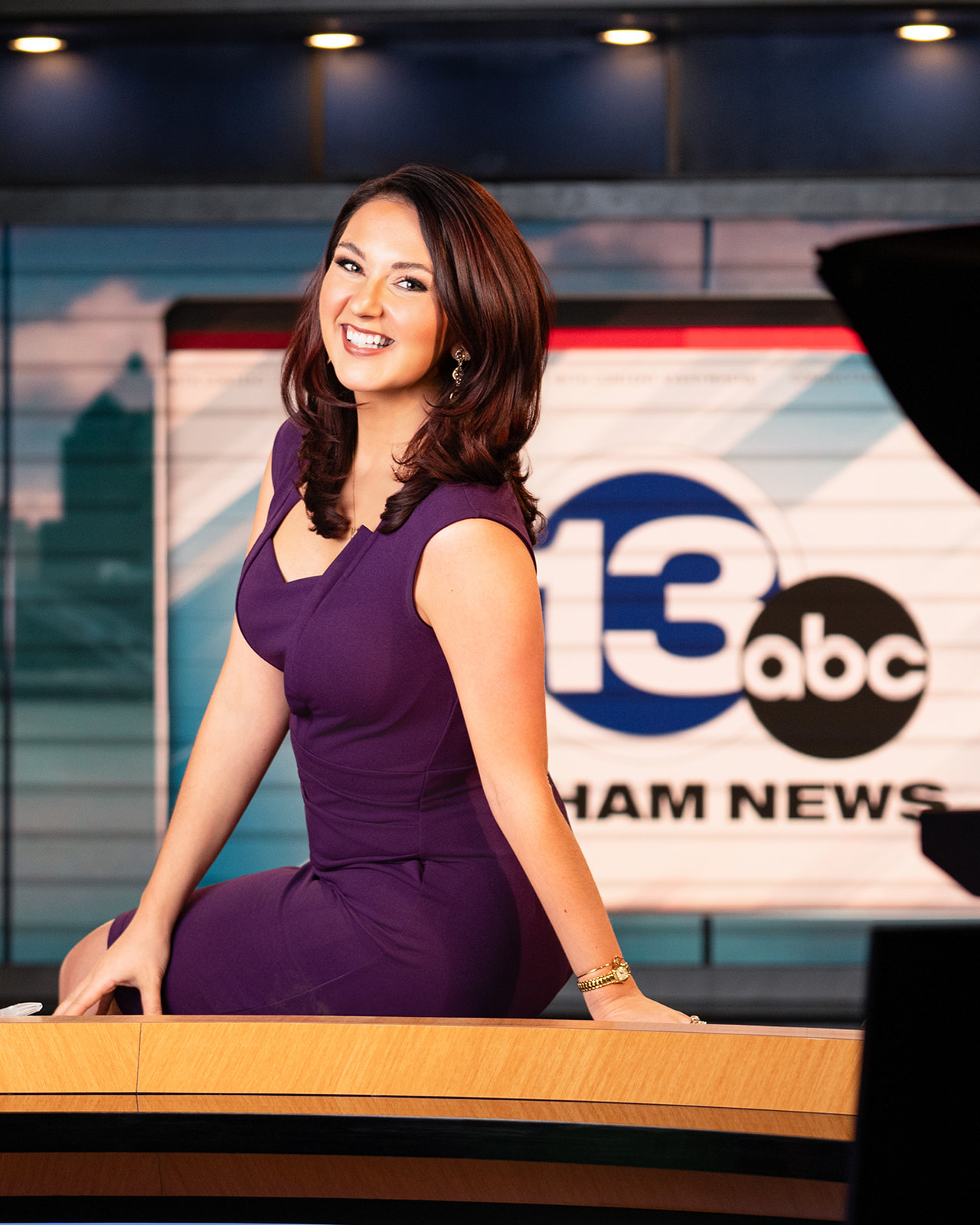 Abby Fridmann – Weekday Morning News Anchor
You’ve built an impressive career from local reporting to anchoring. What has been the defining moment that shaped you as a journalist?
It’s hard to pick just one, but I’d have to say it was the moment I realized I wanted to be a broadcast journalist.
Ironically, I was sitting inside the 13WHAM satellite truck, shadowing the amazing reporter Amy Hudak for college credit. Broadcast journalism wasn’t a career I had considered, but I had mentors who insisted I give it a try. I guess they saw something in me that I couldn’t see in myself.
Amy was covering one of the biggest murder trials in Rochester’s history. She was, and still is, tough as nails, eloquent, and a class-act. While watching her write, research, and select soundbites for the 5 o’clock news, something instantly clicked. I knew, without question, this was what I was meant to do.
I was 19 years old and excited but also overwhelmed. With less than a year away from graduation, this threw a wrench in my entire life plan.
It all worked out exactly as it was supposed to in the end. That day changed the entire course of my life. It feels poetic that after all these years, and after working in several newsrooms, I’ve ended up back at 13WHAM, right where it all began.
As a morning news anchor, how do you balance delivering hard news with creating meaningful connections with your audience?
For me, they go hand in hand.
I care deeply about this community, and I hope that comes through the screen while people watch Good Day Rochester. One of the best parts of my job is meeting the people who make the area as great as it is — nonprofit leaders, students in school musicals, small business owners. Those conversations show how vibrant our community is and the connections build trust.
So, when we cover difficult or heartbreaking stories, viewers know we are approaching them with care, compassion, and responsibility. It’s such an honor to be part of people’s mornings and to be invited into their homes during celebrations, hardships, and everything in between. I never take that trust for granted.
Your award-winning storytelling speaks volumes — what drives your passion for telling stories that matter?
Thank you for saying that!
I’ve covered a lot of stories over the years. To put it simply — the people motivate me.
News correspondent Steve Hartman said it best. “Everybody Has a Story.” That was the name of his human-interest series that ran for years on CBS Evening News.
If you’ve never seen one of those stories, you should check it out but grab a box of tissues. You’ll need it.
Steve’s longtime photographer, Les Rose, was my professor and mentor at Syracuse University’s Newhouse School of Public Communications_.
Here’s what he taught me: you never really know what someone is carrying with them. Every person you meet has challenges, moments of joy, and lessons learned (either the easy way or the hard way). Those experiences shaped them into the person they are today. Chances are, if you ask about it, they are willing to share.
So, there it is. Everybody has a story.
There’s something powerful about being trusted with those stories. It takes vulnerability to share your life. Whether it’s a major life moment or a quirk that makes them unique, those conversations make this career so meaningful. It’s an honor to write about them.
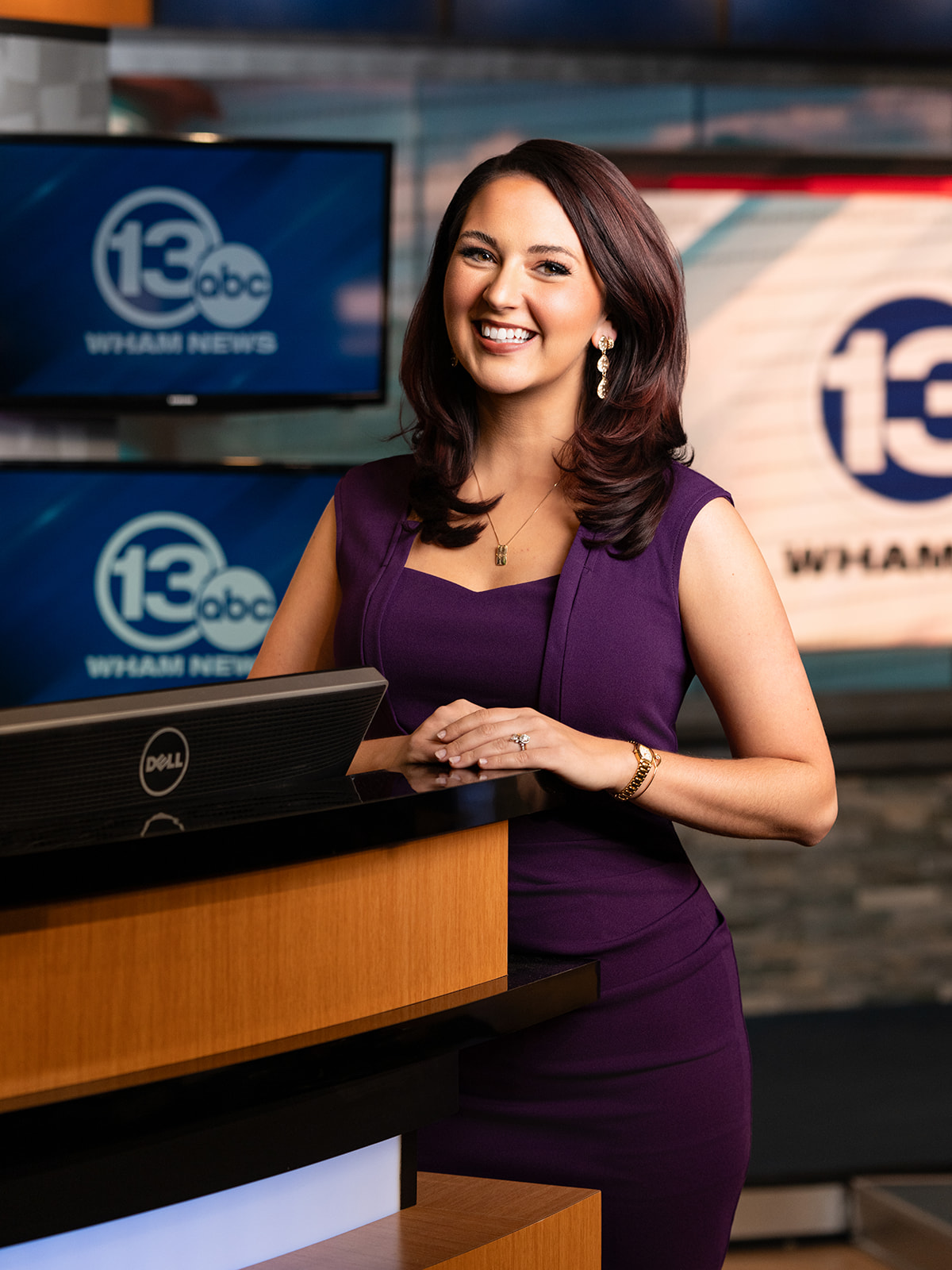 How has working in Western New York influenced your perspective both personally and professionally?
I’ve been fortunate to work in two Western New York markets — Buffalo and Rochester.
Professionally, Western New York has made me a more versatile journalist. No two days are the same. You might start the morning covering a school board meeting, shift into breaking news, and end the day interviewing elected officials. There is a lot happening in our community. There are no “slow news days” in Western New York. That pace teaches you how to adapt quickly while still taking time to treat the stories with care.
Personally, it has deepened my appreciation for the places I call home. Buffalo will always be part of me. Working in my hometown strengthened that pride more than I can even say. In Rochester, I’ve felt incredibly welcomed. From day one at 13WHAM, viewers embraced me with kindness and support. It has had an enormous impact on my confidence. I wouldn’t be where I am without them.
As an adjunct professor, how important is it for you to mentor the next generation of journalists?
It means the world to me.
I had incredible mentors throughout both my bachelor’s and master’s programs, so having the opportunity to do the same for the next generation is great. Seeing students grow over the course of a semester, whether it’s becoming more confident in front of a camera or strengthening their writing skills, is incredibly rewarding.
They probably think I’m a little crazy sometimes, especially when I start lecturing them about grammar, quizzing them on the names of Supreme Court justices, or sending them outside to practice live reports in bad weather, but I hope one day they’ll appreciate it.
One of my biggest influences was Kimberly Young, a professor I had at SUNY Brockport. Much of my writing style and on-camera presence was shaped by her guidance. She taught me the importance of telling stories with compassion, gravitas, and composure. Now, I have the privilege of working alongside her at SUNY Brockport, teaching the next generation of journalists just like she did for me.
In a fast-paced, ever-evolving media landscape, how do you stay grounded and authentic?
Three things are certain in morning television: intensity, unpredictability, and exhaustion! That being said, having people who work hard and can laugh through the stressful moments make all the difference.
That’s where my Good Day Rochester team comes in.
I could write a book about how incredible our team is, but it would take hours to give each person the credit they deserve. That being said, my co-anchor Dan Schrack keeps me grounded every day. After three years of working elbow-to-elbow for our 5-hour show, he is my tried-and-true friend. I’m convinced there’s nothing we can’t do if we do it together.
My parents, husband, friends, and family also keep me grounded. They knew me long before I ever stepped in front of a camera. There are times when the news consumes me. They keep me humble and connected to real life. I’m so grateful to have them as my touchstones.
As for authenticity, I think viewers can tell when someone is genuine. I’ve never wanted to come across as perfect — because I’m not. We are all human. But I show up every day with enthusiasm, curiosity, and gratitude. I think that’s what people connect with most.
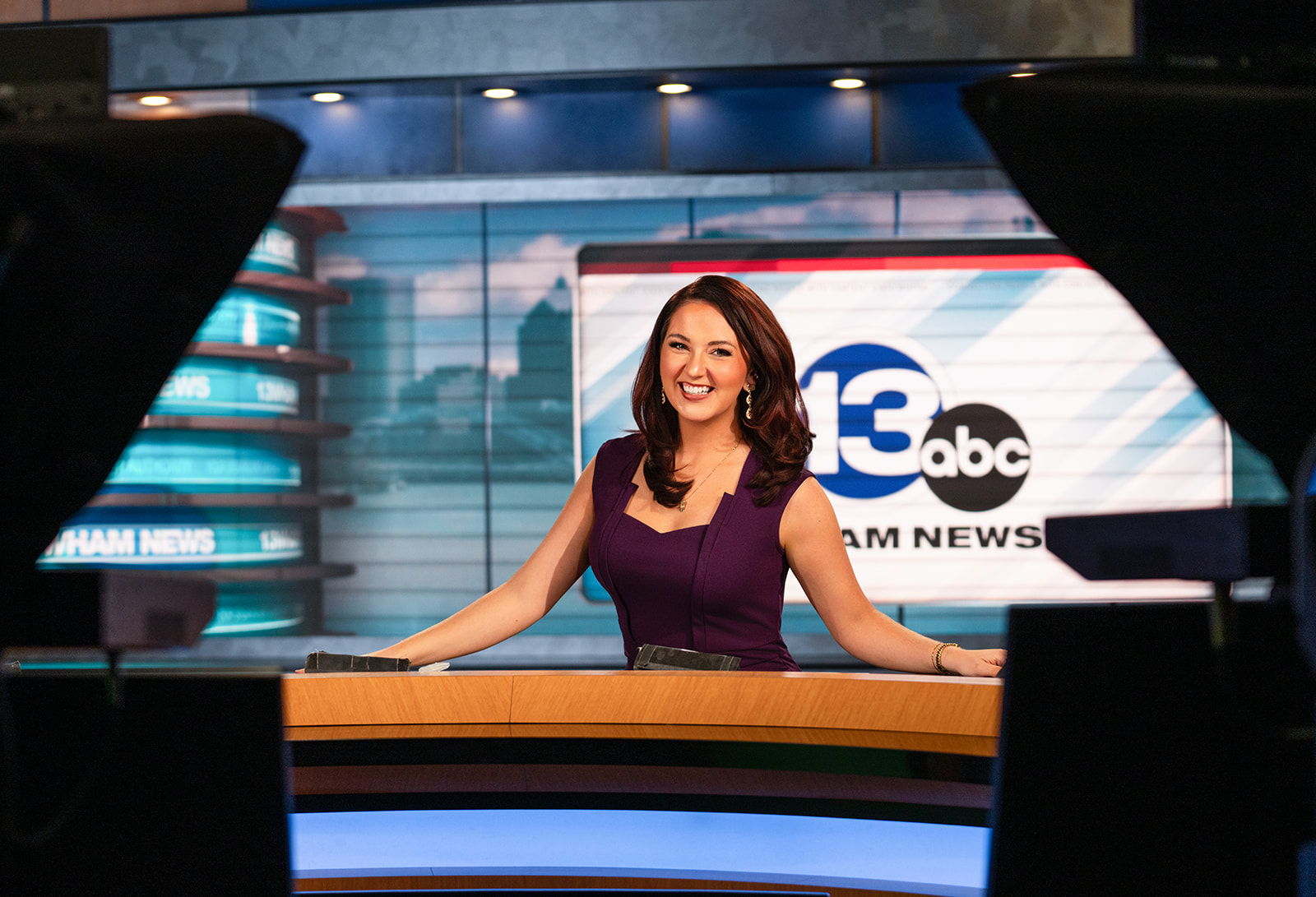 What challenges have you faced as a woman in broadcast journalism, and how have you overcome them?
You develop thick skin quickly in this industry.
I’ve received messages criticizing my hair, body, voice, and basically everything else. Early on, those comments bothered me. Not so much anymore.
At this point, if someone is taking the time to find my email, write a message, and hit send, I must be taking up quite a bit of space in their mind. It’s almost flattering.
Most of the time I delete those messages. Truthfully, I feel sorry for the people sending them. At some point in their lives, they learned that treating others like that was acceptable. What a sad way to live.
Another challenge is being taken seriously as a journalist. People can criticize my appearance all they want, but I never want to give anyone a reason to question my intelligence.
I’ve had comments made to me like, “Wow, I didn’t expect you to be so intense,” or “You really know what you’re talking about,” and even, “You really put me in the hot seat. I didn’t expect that.”
The reality is, I am an intense person. I make sure I’m confident in my reporting. Our community deserves nothing but my best every single day.
What message do you hope women take away from your journey and your voice on screen every day?
I hope women feel encouraged to be confident in who they are — and not shrink themselves to make others more comfortable.
I’ve found there is often a double standard in leadership roles. If you speak with conviction, you may be told to soften your tone. But strength and kindness can exist at the same time. You can be kind and still hold people accountable.
I hope women see that they don’t need to change themselves to be respected. There is power in being confident, prepared, and unapologetically yourself. You can be compassionate and still powerful. I hope more women feel empowered to embrace both.
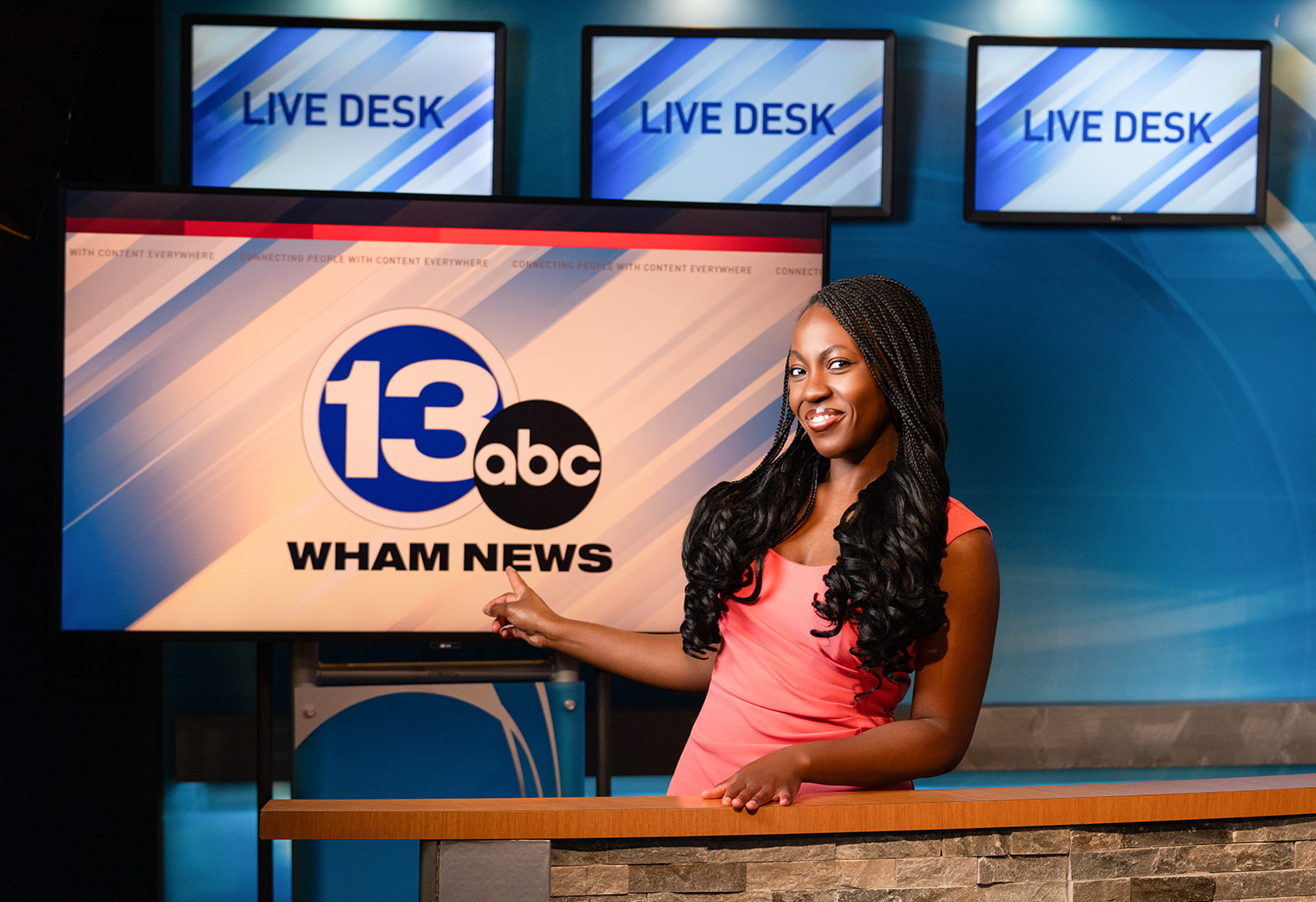 Stephannie Joseph – Weekday Morning Breaking News Anchor
Starting your career so quickly after college and stepping into an anchor role—what has that transition been like for you?
It has been nothing short of a whirlwind. I moved to Rochester to become a reporter about two weeks after graduating from college in 2023. I didn’t have a car or a permanent place to live when I got here, but I had a dream! I truly credit the people I met early on at WHAM with making my experience what it is. I worked with a fantastic weekend anchor who pushed me to start anchoring here in the first place. I expected something like that to happen three or five years into my career. I was promoted to full-time anchor in 2024. There have been growing pains between then and now, as with any job, especially as someone so young. I had to navigate life away from all I’ve ever known, while adapting to a new city and kicking off a career. Some days are easier than others, but it’s my passion for journalism that fuels me on those challenging days.
You’ve called the newsroom your “happy place”—what is it about journalism that fuels your passion every day?
The newsroom is where I found community. It started as an extracurricular activity that I did for fun at our TV studio in middle school, and it grew once I got to college and beyond. Each day is different, which makes it fun and interesting. I love being part of a team that puts so much care into the stories we tell and choose. We are intentional about how we build a show and what graphics we use. It’s fulfilling to see all of that work come to life. I take pride in keeping this community informed.
Covering major elections early in your career is no small feat—how did those experiences shape your confidence and voice?
I had the opportunity to cover multiple historic elections while studying at Boston University. The first was when Michelle Wu became the first woman elected as mayor of Boston. The second was when Maura Healey became the first woman and openly LGBTQ+ person elected as Massachusetts governor. For the latter, I remember that a lot was happening that night. I had to take the train immediately after work while carrying all my equipment to the election night celebration for Healey. Once I was there, I had to find my team, choose a good place for our camera, think of a script on the spot, and push past crowds of people to get near the stage for videos of the winner(s) as results came in. I even got reaction from voters. This experience prepared me for Monroe County’s 2023 elections. I was able to stay calm and coordinate live interviews and reports for multiple shows. I now host a segment called Political Pulse on ARC Rochester at 9:20 a.m. I take a closer look at local, state, and federal policies by talking to experts and politicians. This is only possible because of the confidence I gained through previous political reporting. Repetition, trial and error, and deadline pressure helped me find my voice and boost my confidence.
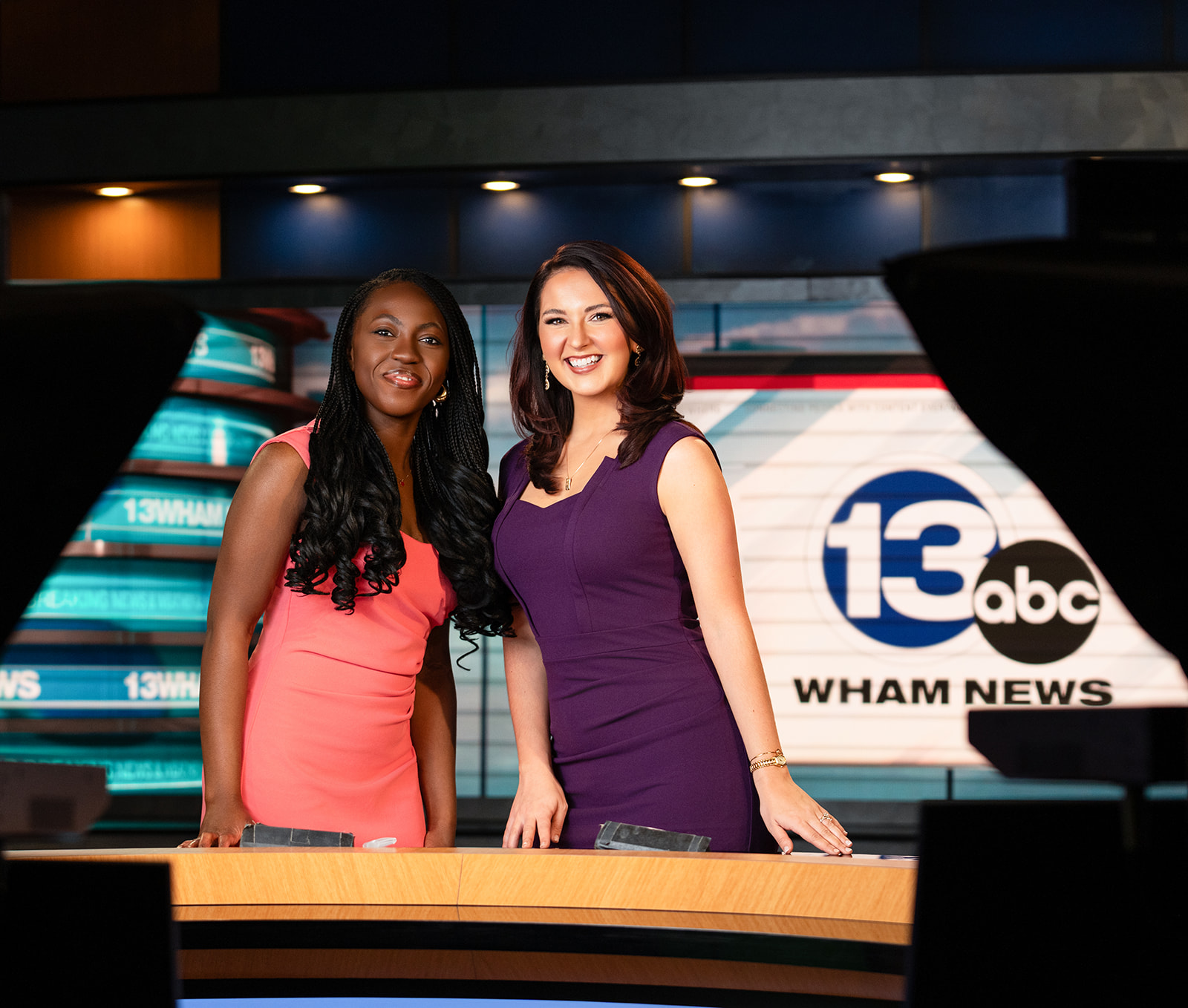 As someone with a background in both journalism and sociology, how do you approach storytelling differently?
I’ve always wanted to tell stories that highlight marginalized communities. Sociology is a social science that looks at human interaction through several lenses, including race and gender, to understand the nuances between our lived experiences and the layers behind some community issues. That background gave me the tools to seek out, approach, and frame stories.
What has been the most surprising lesson you’ve learned since joining the Rochester news community?
It’s always ok to ask for clarification or more details, even if we’re sent a release with details that seem straightforward. Unless something is said, you should never assume its meaning. If I’m questioning a quote or a sentence in a press write-up, then a viewer will likely do the same.
How do you stay resilient and confident in such a fast-moving, high-pressure industry?
I have a great support system back home that keeps me in check and brings me comfort. I also seek advice from other industry professionals who can resonate with how I may be feeling.
What advice would you give to young women who are just starting their careers and chasing big dreams?
The most important thing is to regularly reach out to your professional and personal community. You will need a mentor or someone you feel comfortable venting to and asking for advice. There will be hard moments as you begin to learn. Your family and friends will remind you to give yourself grace.
With that being said, remain focused and be ready to work. Dreams take hard work and the path to achieving them can be tough. Don’t let anyone dim your light. Take up space intentionally and authentically, always. Be a sponge — learn and grow as you go along.
What kind of impact do you hope to make—not just as a journalist, but as a role model?
I want people to fearlessly chase their dreams. Growing up, I didn’t see many people who looked like me working in news, so I was nervous about pursuing my career. I want other Black women and girls to feel empowered and comfortable being themselves too. Everyone deserves to see themselves represented in every field, including journalism. If I can do it, they can too.
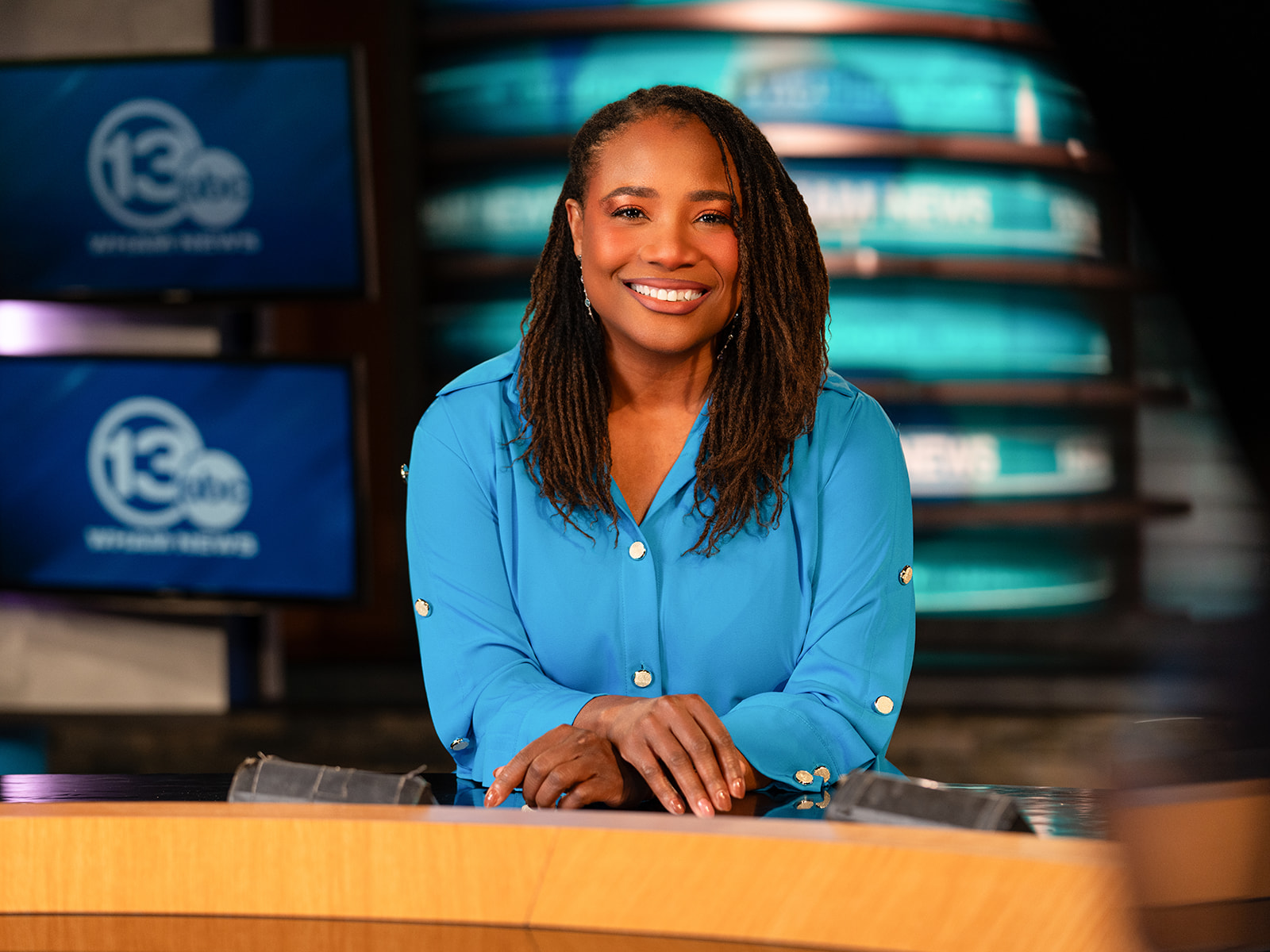 Karen Edwards – Weeknight News Anchor
With over a decade of experience, what has been the most defining chapter of your career so far?
I think my time covering Rochester and other parts of the state have marked my most defining chapter thus far. From covering the Buffalo Tops mass shooting to protests over the death of Daniel Prude and multi-part reporting on New York State’s Crown Act, I feel I truly started to come into my own once I moved to Rochester in 2019.
You’ve worked in multiple markets across the country—how have those experiences shaped your storytelling?
It’s really broadened my horizons! It’s so true that different parts of the U.S., even different parts of one state or county, often have completely different cultures and interests.
As someone who calls Rochester a “second home,” what makes this community so special to you?
As a Black woman in her late 30s, I am so grateful for how diverse Rochester is! For instance, there have been cities and towns where I’ve struggled to find a hair stylist. But, not in Rochester! The community is really plugged in. I’ve made incredible lifelong friends here and have felt welcomed by the community. The Finger Lakes region also has a lot of things I’m interested in, including a pretty great gaming community, a nice selection of breweries and wineries, and lots of fun outdoor activities.
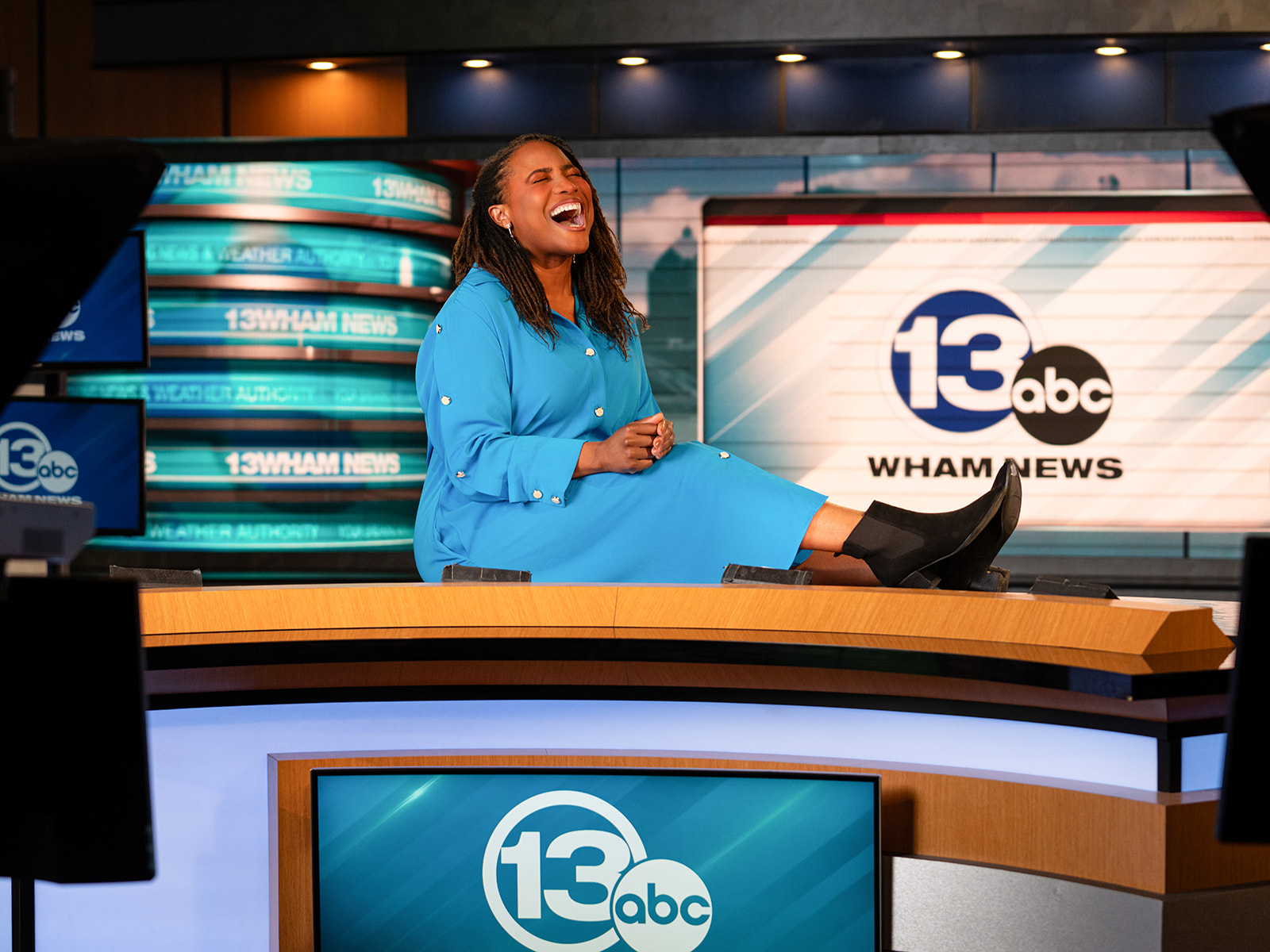 Breaking news requires clarity and confidence—how do you prepare yourself for those high-pressure moments?
With a lot of deep breaths and maybe a prayer or two? To be honest, there’s really no way to prepare outside of relying on my knowledge and training. But something I find extremely helpful is simply working in a positive, collaborative environment where I don’t have to be afraid to ask questions. Breaking news, really any news coverage, is a massive team effort and I’m so grateful to be part of such a great team.
What does leadership look like to you in the newsroom, especially as an evening anchor?
For me, at the center of leadership is people…listening, collaborating, getting a second or third set of eyes as we work to share what’s going on. It’s about being available to listen, coach or lend a helping hand. I work hard to lead by example and make sure my teammates know I’m always available and willing to help. And I’m heavy handed with the compliments! Constructive criticism is important, but I personally think it’s even more important to celebrate our wins. That’s what leadership looks like to me.
Growing up in a military family, how did that upbringing influence your work ethic and adaptability?
Well, growing up as the daughter of a Naval officer, our family moved something like 13 times before I reached high school. While my father would be out-to-sea for months on end, my mother held down the fort while pursuing her own career in teaching and becoming a professor. I saw first-hand that it’s possible to achieve your dreams even when you don’t have an established “base” – and that moving and being exposed to different kinds of people and environments can give you an advantage, which I believe it certainly has in my career. I’ve now moved six times in my 13-year career and am grateful for how all of my experiences have helped shape me as a journalist.
You embrace both serious journalism and your fun, “nerdy” side—how important is it to stay authentic in your career?
Authenticity means everything to me. When I first started my career, I was so nervous, always afraid to speak up… I’m so grateful that I’ve left that version of myself behind. That comes from experience, of course, but also from all the support and kindness I’ve been exposed to throughout my career. Also, in a field like on-air journalism where I’m often mired in some of the darkest parts of humanity, I’ve found it increasingly important to lean into my nerdy side. Making time to play video games has been great for my mental health!
What legacy do you hope to leave in the communities you serve through your reporting?
I hope to leave a legacy of kindness and inclusivity. One of the most incredible comments a viewer can share with me is that I made them feel comfortable telling their story. I’m always thinking about our viewers and the community – what questions would they want me to ask this official? Are we sharing all sides of this story? I hope when people look at my body of work, they see fairness and inclusivity.
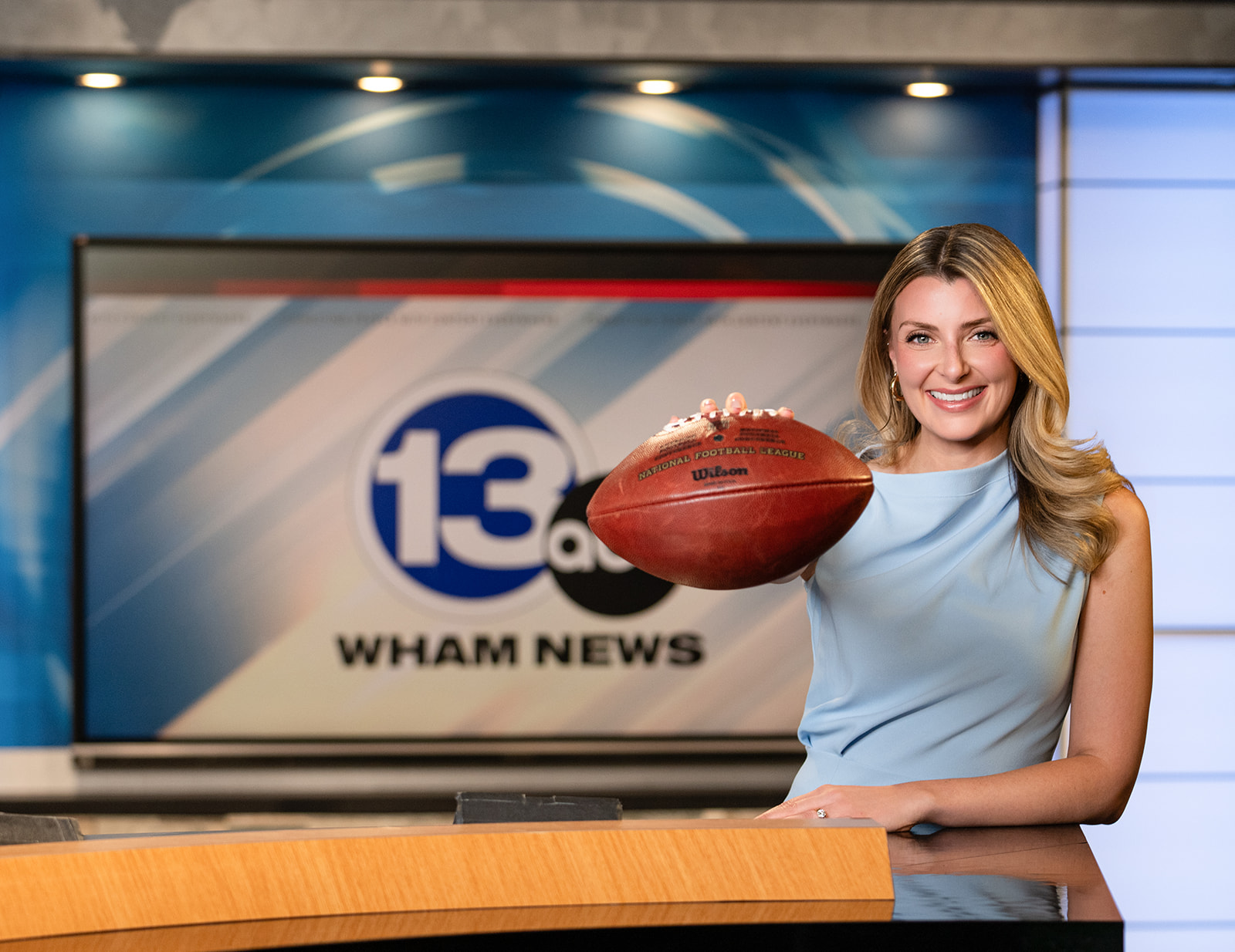 Jenna Cottrell – Sports Anchor
Your journey in sports broadcasting is incredibly inspiring—what first sparked your passion for sports storytelling?
I’ve always loved sports, it’s not something I remember choosing, it’s just always been part of who I am. I grew up playing soccer and lacrosse, and my dad is a huge sports fan, so we always had a game on watching together as a family.
Sports took on an even deeper meaning for me in middle school when my brother was diagnosed with leukemia. He’s been in remission for over two decades now, but during that time, playing and watching sports became an escape. I was drawn to the passion, the camaraderie, and the way people could overcome the odds to do something special.
Sports are powerful, and I feel really lucky to be part of telling those stories.
Covering the Buffalo Bills at such a high level, what makes this team and fanbase so special to you?
I really do love my job. I’ve covered the Bills for nearly a decade now, which is kind of wild to think about. From when I started in 2016 to where the franchise is today, the transformation has been incredible, and Western New York deserves it.
What makes this team and fanbase so special is the passion. It’s real, it’s constant, and it runs deep. There are bigger cities and what people might call “better” sports markets, but there’s something different about covering a team that genuinely matters to its community. That connection is powerful, and it’s something I don’t take for granted.
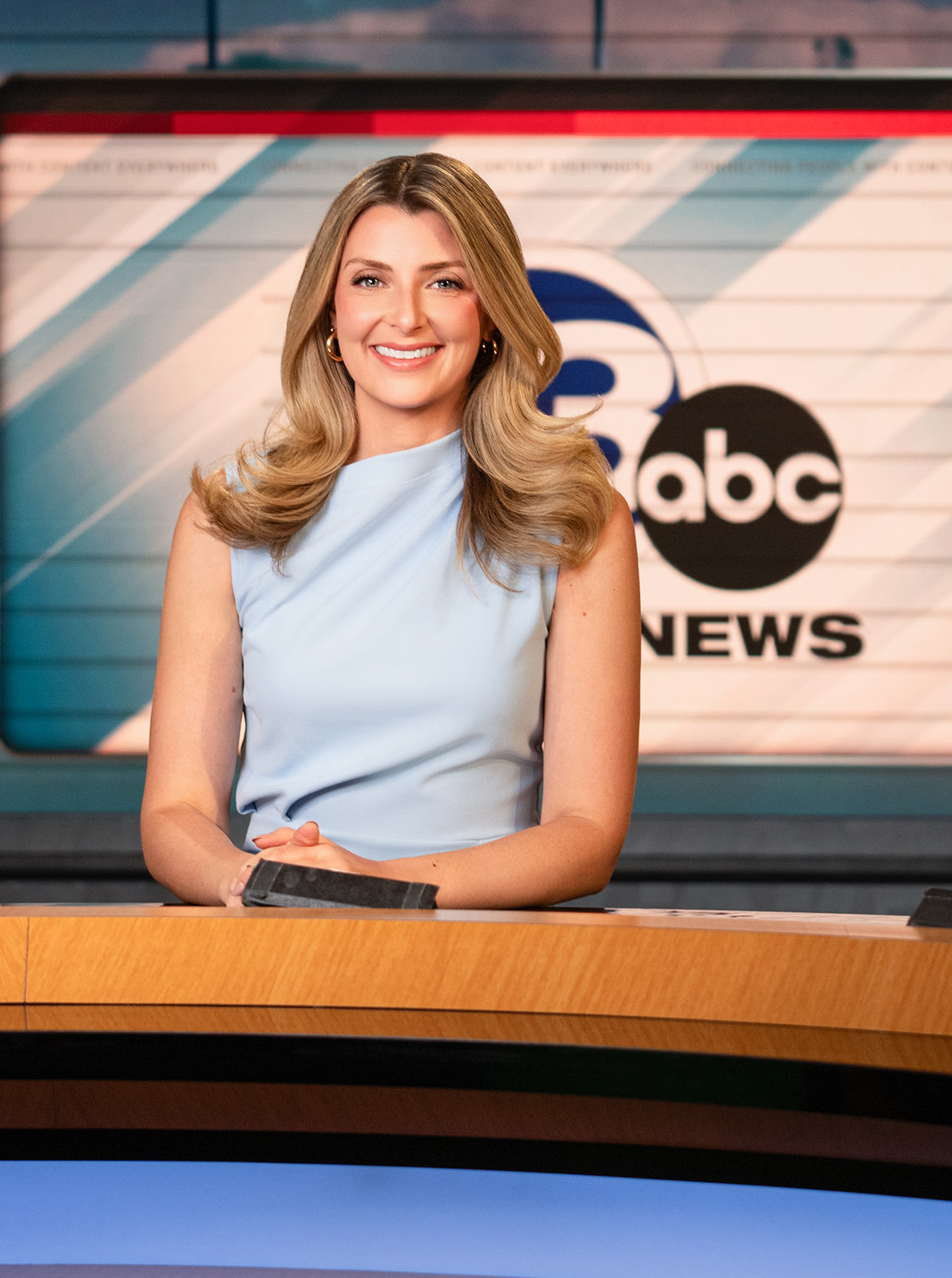 You’ve faced and overcome a personal health battle—how did that experience reshape your perspective on life and career?
Being diagnosed with cancer in 2017 and going through treatment, followed by nearly a decade in remission, completely changed my outlook on my life and my career. Cancer is something my family knows well, both my brother and I are thankfully in remission, but we’ve each faced diagnoses that challenged us in ways we never expected.
Since then, my priorities have definitely shifted. I find myself appreciating the smaller moments more, the catchups with friends, a great meal, laughing until your stomach hurts, even just a sunny day. It’s made me more grounded and more grateful for everyday life.
Professionally, it’s also made me more empathetic in how I cover athletes and their stories. Sports are still about wins and losses, but there’s always so much more happening underneath that. That experience helped me recognize those layers more clearly, and I think it’s made me a better storyteller because of it.
As a woman in sports media, how have you navigated challenges and carved out your space in the industry?
I’ve been really fortunate in a lot of ways, but early on I learned pretty quickly that the best way to carve out your place in anything is through preparation and consistency, knowing your stuff, showing up every day, and letting your work speak for itself.
I also feel really grateful because I’ve had important people in my life who believed in me before I fully believed in myself. From my parents, family, and friends to my coworkers Mike Catalana and Dan Fetes, there have been so many people who have helped me find my voice along the way.
Over time, I’ve become more comfortable owning my perspective. There’s real value in having different voices in this industry, and I don’t think you succeed by trying to sound like everyone else. You succeed by being prepared, being reliable, and bringing your own point of view to the conversation, and that’s what I try to bring to my work
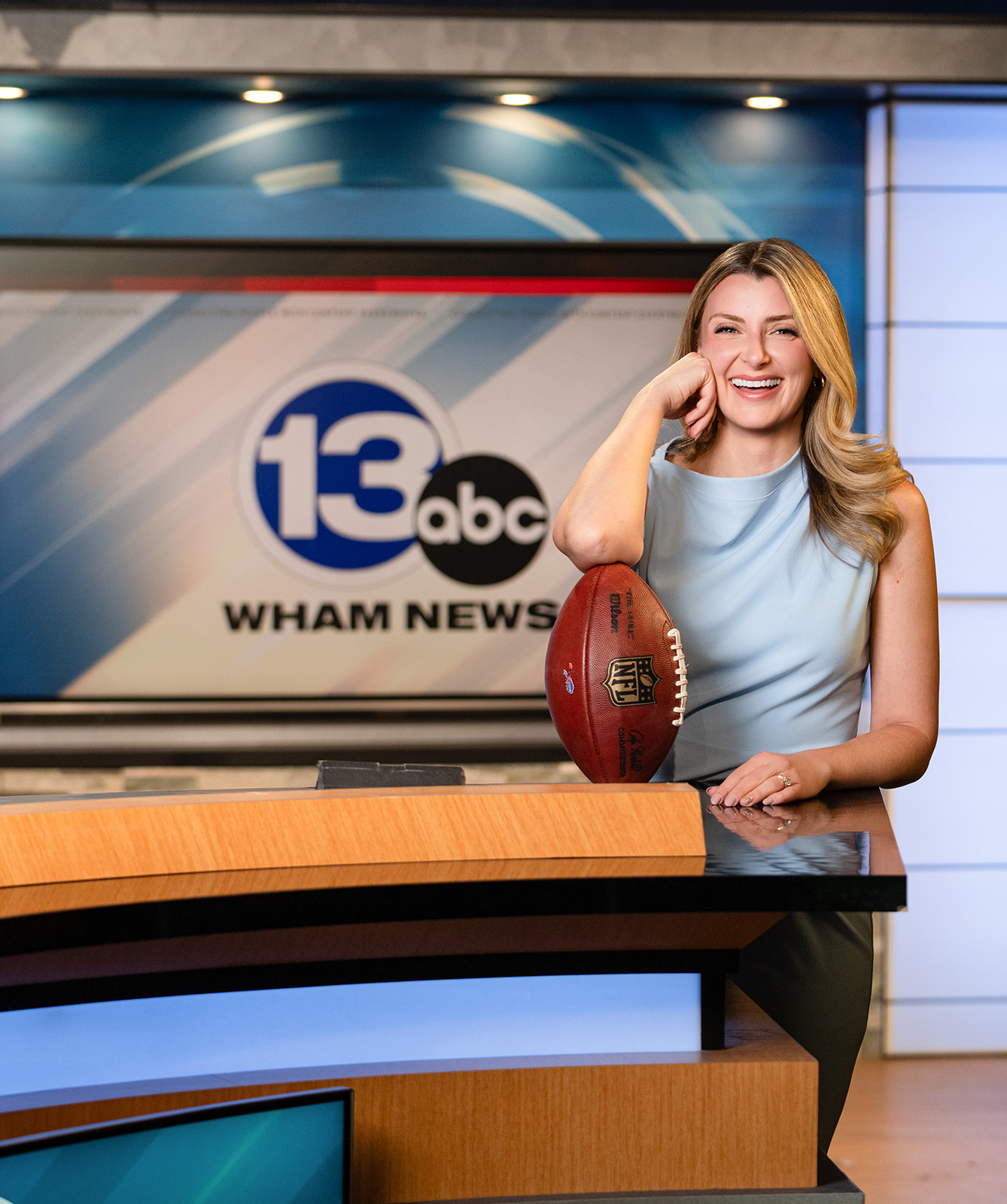 What does it mean to you to be recognized for excellence in sportscasting across New York State?
It’s really cool, and I’m grateful for it, but I don’t do this job for awards or recognition. I definitely don’t take it lightly, but my focus has always been on connecting with people, telling good stories, and having fun along the way.
How do you bring both insight and authenticity to your reporting in such a competitive field?
The insight comes from just studying and genuinely enjoying watching and learning sports. The authenticity comes from just being myself. I don’t think you can force that, and I’ve always felt viewers can tell when it’s an act. I’m a little sarcastic by nature, and that shows up in my sportscasts and on the Buffalo Plus YouTube channel. But I think that fits, sports are supposed to be fun, lively, and opinion-driven.
At the same time, I don’t ignore the competitive side of the industry. I just try to stay focused on building real relationships, listening more than I talk, and treating people the way I’d want to be treated.
Your work mentoring other cancer patients is powerful—how has giving back impacted your journey?
I think it’s important to give back. I was so scared when I went through my diagnosis and treatment that if I can help someone feel better and give them some insight why wouldn’t I. Giving back has also helped me process my own journey. It’s a reminder of how far I’ve come and how much perspective it’s given me. It’s not always easy to revisit, but it’s always worth it.
What message do you hope to share with women who want to break into sports media or any traditionally male-dominated field?
I have a lot of respect for the women who came before me and did the hard work of breaking barriers. That’s something I try to carry forward by supporting people who are just starting out in the business. At the same time, I try to focus on the job itself, not the fact that I’m in a male-dominated field. For me, it comes down to working hard, staying curious, and recognizing there’s always more to learn. It’s also important to trust yourself and stay committed. If you do that, you can carve out your place, no matter the industry.
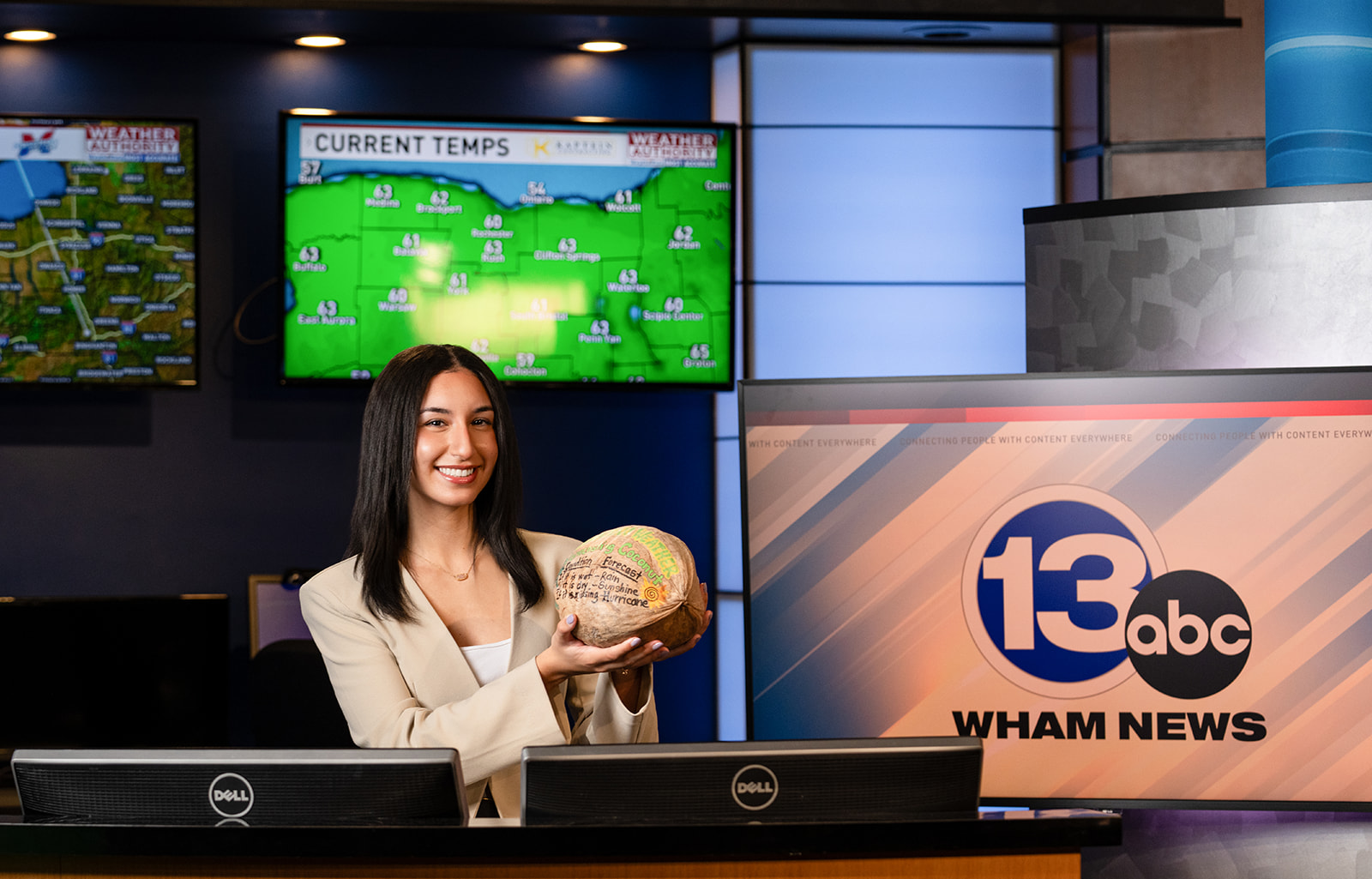
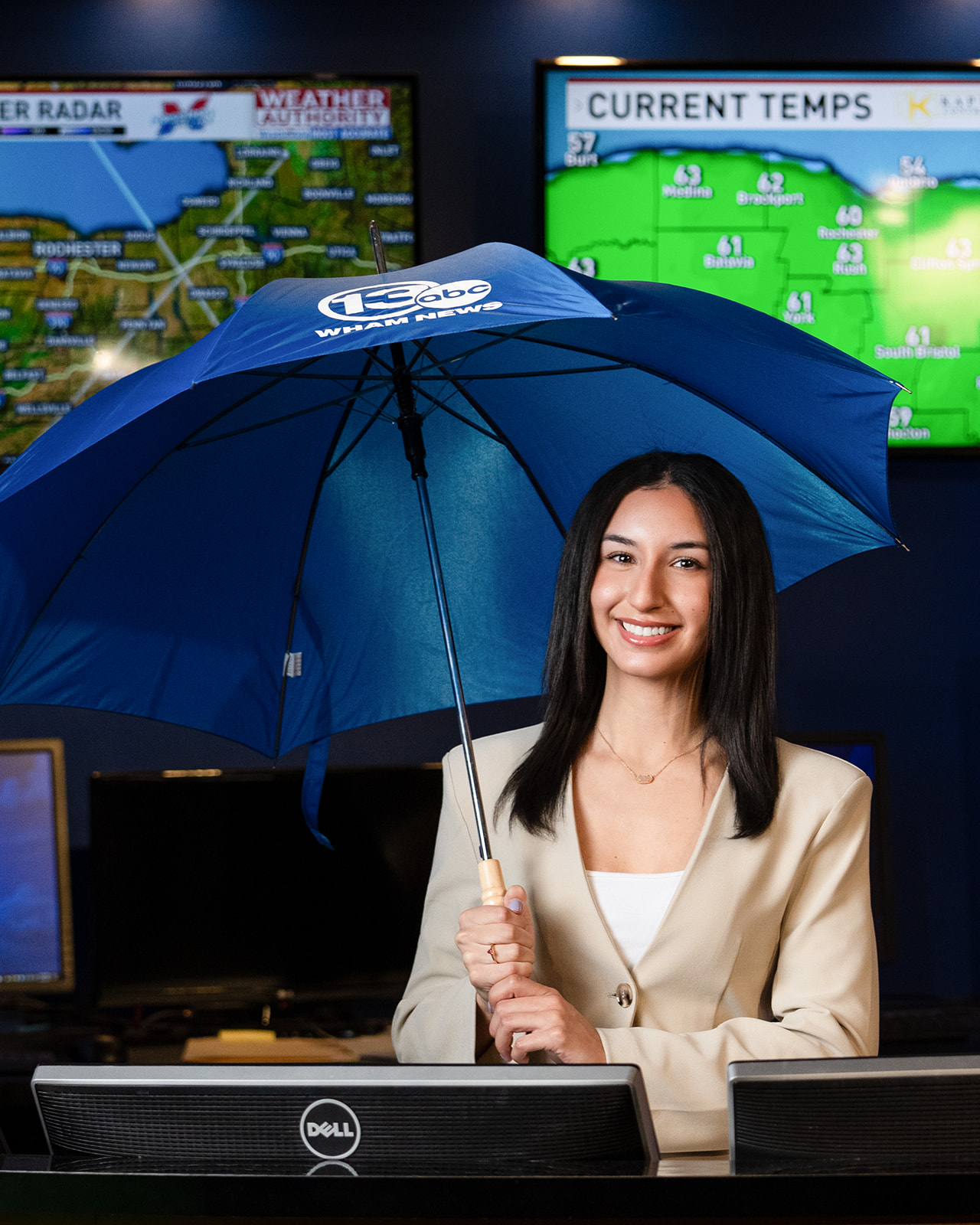 Selena Ramos – Meteorologist
You discovered your passion for weather at a young age—what sparked that curiosity and turned it into a career?
I grew up in the Adirondacks and spent a lot of time outdoors such as hiking, swimming, and snowboarding. Upstate New York is known for its snowy winters, and one storm in particular really stuck with me. We got over a foot of snow and were basically stuck inside. I remember thinking, how is this even possible? That moment sparked a lot of curiosity for me. As I got older, that curiosity grew into a passion, and I realized I could turn it into a career where I not only study the weather but also help keep people informed and safe.
As a woman in STEM and meteorology, what challenges have you faced and how have you pushed through them?
I studied meteorology for four years at the University at Albany, and I was the only woman in my classes alongside several men. It could feel isolating, and I didn’t always feel like I was fully connected with my peers. But I didn’t let that discourage me. I focused on my goals, sought out support from others I connected with, and stayed committed to working hard. That experience pushed me to become more confident in myself and my abilities.
Your research and experience with extreme weather events are impressive—how do you translate complex science for viewers?
My goal is always to make science relatable and easy to understand. The weather can get very technical, but viewers just want to know what it means to them. I focus on breaking things down into simple terms, using visuals, and connecting them to everyday impacts. Such as how a storm will affect your commute or weekend plans. It’s about telling a clear story, not just presenting data.
4. What has been your proudest moment so far in your journey from student to on-air meteorologist?
One of my proudest moments was seeing all my hard work come together when I stepped in front of the camera for the first time. Going from studying maps, models, science, andmmath in the classroom to actually delivering a forecast to viewers was incredibly rewarding. It reminded me that everything I worked toward was becoming real.
 How do you stay calm and confident when reporting on high-impact or severe weather situations?
Preparation is everything. I make sure I fully understand the setup and potential impacts before going on air. During severe weather, I stay focused on the facts and what viewers need to know to stay safe. Taking a calm, clear approach helps build trust, and I remind myself that people are relying on me for accurate information.
What role does community connection play in how you deliver your forecasts?
Community connection is a huge part of what I do. I’m not just delivering a forecast; I’m speaking to real people who are planning their day around the weather. Whether it’s a snowstorm, heatwave, or severe storms, I always think about how it will impact families, commuters, and local events. That perspective helps me communicate in a way that’s more meaningful and relatable.
Being involved in women in STEM leadership—why is representation and mentorship so important to you?
Representation matters because it shows young girls that they belong in these spaces. When you can see someone who looks like you doing what you dream of, it makes it feel more possible. Mentorship is just as important because having guidance and support can make a huge difference in someone’s confidence and success. I want to be that example and support system for the next generation.
What advice would you give to young girls who are curious about science but unsure where to start?
Start by simply asking questions and exploring what interests you. You don’t have to have everything figured out right away. Take science classes, watch weather coverage, even go on social media, and type key words that interest you. Don’t be afraid to try new things.
Most importantly, believe in yourself and don’t let anyone make you feel like you don’tbelong because you absolutely do!