

PHOTOS BY BELAVATI STUDIOS
In an industry driven by noise, trends, and constant change, Michelle, founder of Tipping Point Communications, built something different — something rooted in precision, strategy, and fearless clarity. What began in 2005 as a boutique media shop quickly evolved into something far more powerful: a behind-the-scenes force transforming how brands think, communicate, and grow. Today, Tipping Point stands as a full-service agency known for its seamless integration of media, analytics, creative, and public relations — but at its core, it remains exactly what Michelle envisioned from the start: a strategic partner that makes every marketing dollar work harder.
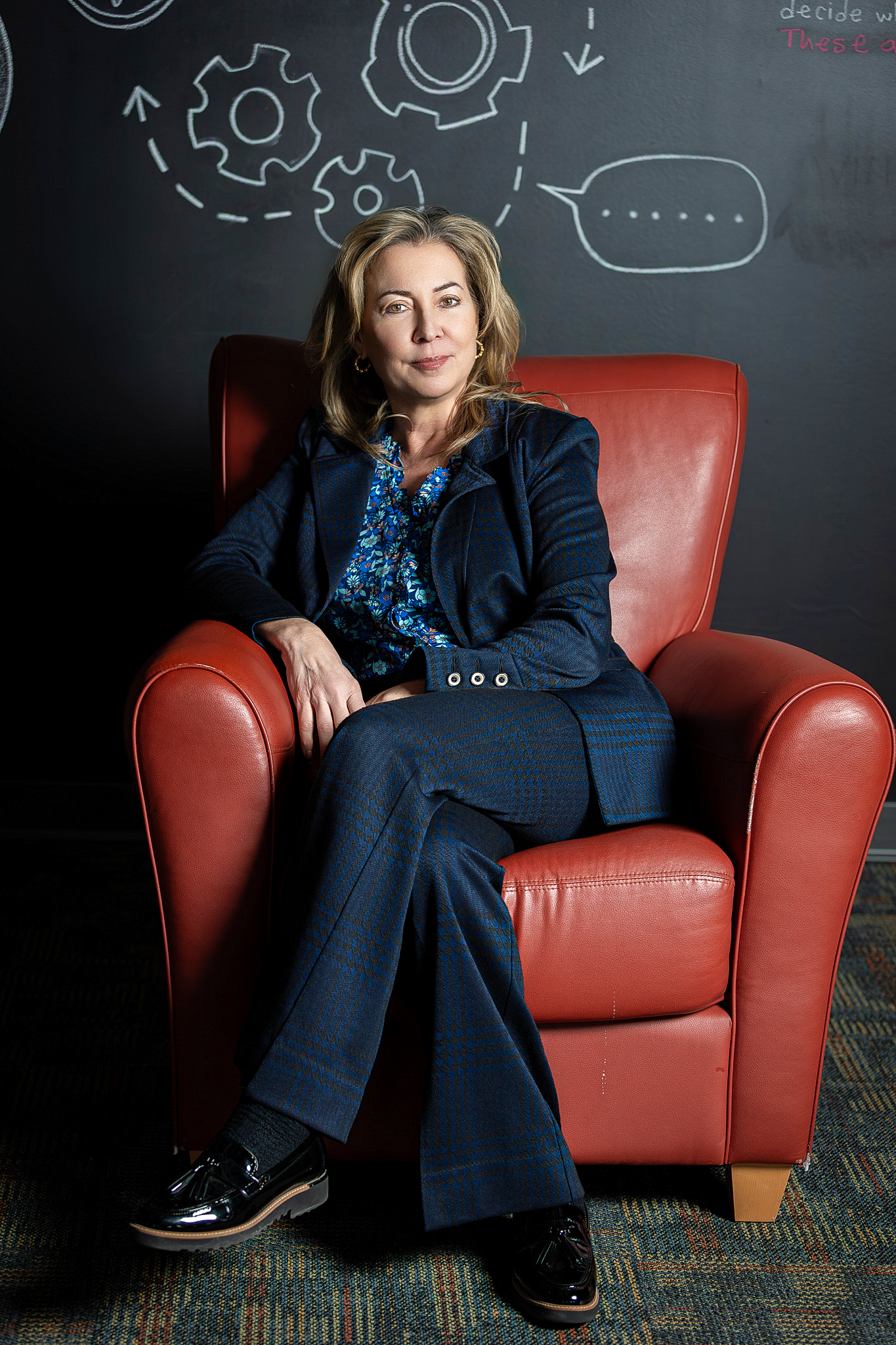 With over two decades of experience and relationships that span years — even decades — Michelle has built her reputation not just on results, but on trust, honesty, and the courage to lead through complexity. Her approach challenges the traditional marketing model, insisting that media, messaging, and creative must work together from the very beginning. It’s this philosophy that has allowed her to guide clients through seismic shifts — including the rapid transformations brought on by the pandemic — with agility, confidence, and measurable success.
But beyond the business, Michelle’s story is one of evolution. From navigating the early challenges of entrepreneurship as a female founder to learning how to step back and empower the next generation of leaders within her company, her journey reflects a deeper truth about leadership: growth requires both vision and the willingness to let go.
At the heart of it all is what she calls the “X Factor” — that defining clarity that separates brands from the rest. It’s not just what a company does, but why it matters. And for Michelle, helping clients uncover that truth isn’t just strategy — it’s transformation.
You founded Tipping Point Communications in 2005 as a boutique media shop. What was the original vision — and how has it evolved into the full-service agency it is today?
In 2005, many creative agencies were producing strong campaigns, but they did not fully understand the complexity behind media strategy. Media buying is not just placement. It requires mathematical precision, market analysis, vendor negotiation, and expensive research tools like Nielsen, Scarborough, and advanced buying software. These systems are costly and require experienced operators.
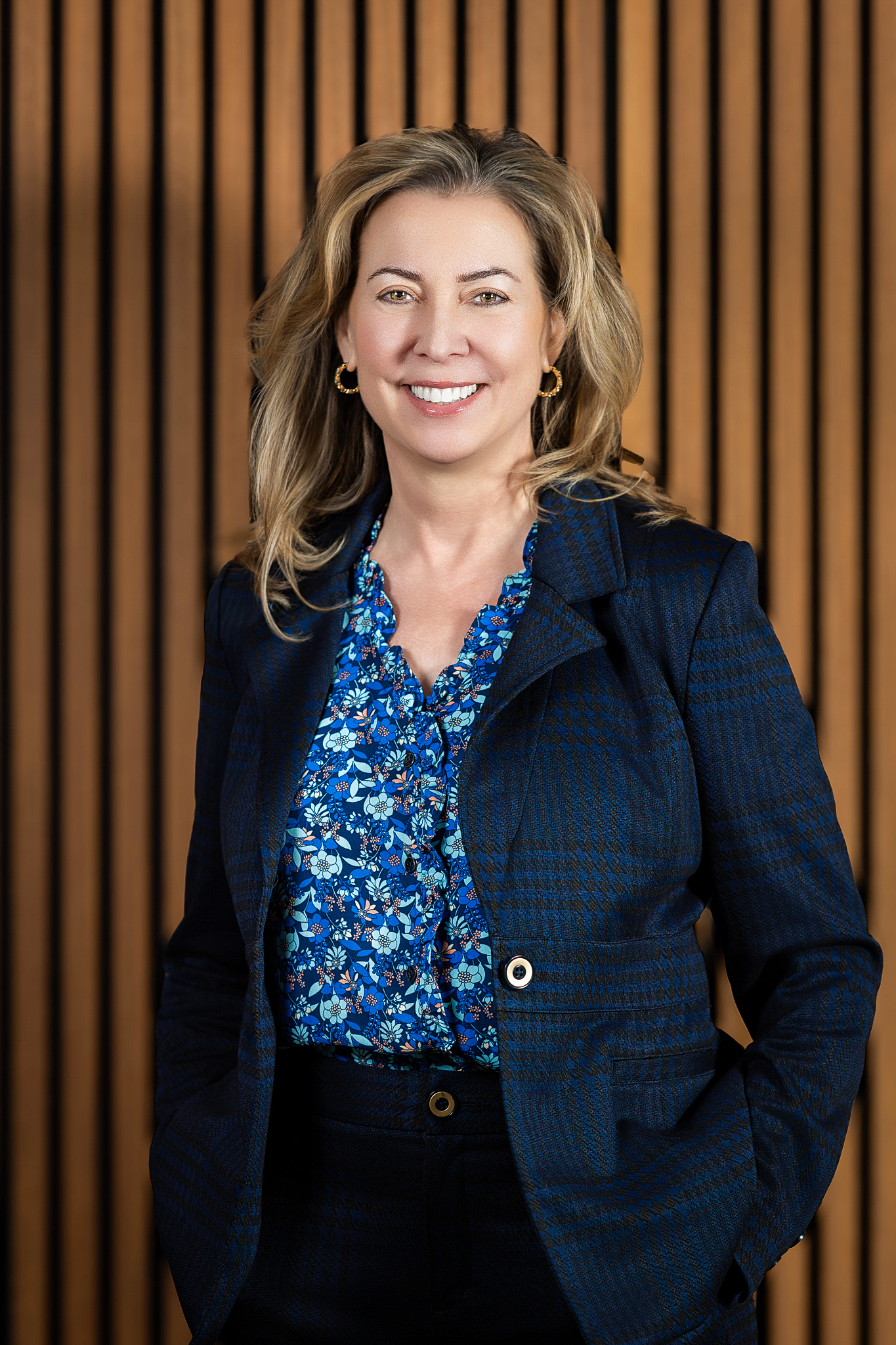 I saw an opportunity to build a high-level media strategy firm that could serve as a trusted partner to agencies that did not want the overhead of maintaining that capability internally. We became the behind-the-scenes engine. We evaluated vendors objectively, analyzed audience data, negotiated savings by our purchasing power, and ensured clients were investing at the right levels and in the right places for real return.
Over time, something important happened: A client invited our media team to the strategy developing table. We began participating in more complex conversations. Messaging. Positioning. Brand clarity. He said, “Media drives the message. We need to understand how to reach our target audience first, then we’ll decide what the creative should be.” From that point forward, we embraced the realization that media works best when it is connected to strategy and creative from the start.
This evolution led us to expand thoughtfully into public relations, analytics, digital, and creative services. What began as a specialized media consultancy has grown into an integrated agency. The common thread has never changed. We are still obsessed with accountability, strategy, and making every marketing dollar work harder.
Over 20 years later, you’ve built decade-long client relationships. What do you believe is the secret to that kind of longevity in business?
Trust and courage. Trust is earned by telling clients the truth, even when it is uncomfortable. Courage is staying in the room when conversations get hard.
We build partnerships. This means understanding clients’ businesses as deeply as they do. It means protecting their budgets like they are our own. It means showing up in a crisis no matter what, 24/7/365. It also means pushing back when something will not work.
Longevity comes from prioritizing their business growth. When clients feel seen and heard, they are more likely to stay with you. Especially when you’re focused on generating results.
 Tipping Point is today known for media, analytics, PR, and creative. At what point did you realize you needed to expand beyond media to better serve your clients?
The real inflection point came after the pandemic.
Overnight, our clients were forced to do more with less. Budgets tightened. Timelines shrank. Expectations increased. Clients did not need another vendor. They needed a partner who could pivot quickly, integrate channels, and move from strategy to execution without friction.
We had to make a seismic shift in our collective mindset about who we wanted to be going forward. Staying a traditional media, PR agency was not enough. Agility became the mandate.
That led to one of the most important decisions in our history. We acquired a digital creative agency and brought video production and design talent under our roof. Instead of outsourcing creative execution, we integrated it. Instead of managing multiple partners, our clients had one accountable team.
Bringing video, digital design, and performance strategy together allowed us to respond faster, test smarter, and stretch every dollar further. It strengthened our ability to build complete campaigns, not just deploy them.
The expansion was not about growth for growth’s sake. It was about resilience. It was about ensuring our clients could adapt, compete, and win in a landscape that changed overnight.
You often talk about the “X Factor” — that moment when everything clicks. How do you intentionally create that spark for clients?
The X Factor is the clearest expression of who clients are and why what they do matters. Most organizations describe what they do. Very few can articulate what makes them distinct. The X Factor lives in that gap.
 We create it by slowing down before we speed up. We dig into leadership beliefs. We challenge assumptions. We ask what they are willing to stand for and what they are willing to walk away from. Because differentiation requires courage.
When we uncover that core truth, everything aligns. Messaging sharpens. Creative becomes intentional. Media becomes precise. Teams rally around a shared identity instead of scattered tactics. The spark happens when a client sees themselves clearly for the first time. You can feel the shift in the room. Confidence rises. Decisions get easier. Marketing stops feeling reactive and starts feeling powerful.
What does TPX(e) represent in today’s marketing landscape — and why is the “extension” mindset so critical for brands right now?
TPX(e) represents an expansion mindset. Brands must push beyond traditional approaches while continuing to build authentic relationships. Our team guides clients to expand their thinking and uncover their unique X Factor.
Today’s marketing landscape moves fast. Audiences are fragmented and technology continues to reshape how people discover and engage with brands. Data, digital platforms, and emerging tools give brands new ways to reach the right audience with the right message at the right time.
You built this agency during a time when women-owned marketing firms were far less common. What challenges did you face early on as a female founder?
One of the biggest challenges was credibility. I never owned a business before. I didn’t have banking, legal, or accounting relationships. I had just purchased the agency with a second mortgage on our home.
 As a female founder, I realized quickly that I lacked a business network of peers. While I was still learning how to read a balance sheet, decisions were being made in circles that I did not yet travel in. Joining Vistage International (a CEO peer group) was instrumental to my professional growth over the years. My group offered feedback and guidance on how to operate day-to-day, grow my team, and survive the ups and downs of ownership.
What is one defining leadership moment that shaped the way you run Tipping Point today?
A defining leadership moment for me came when I realized that the very thing that helped me build Tipping Point could also limit its future. For many years, I was involved in everything. Strategy. Creative. Client work. Team decisions. When you start a company, that level of involvement feels necessary. You carry the vision and you want the work to reflect it. But as the company grew, I began to see that holding onto every decision was not leadership. It was control.
The moment came in December and has shaped how I lead today. By consciously stepping back, it allowed the team to step forward. This shift has not been easy. Letting go means trusting others to interpret the vision, make decisions, and sometimes do things differently than I would. But it is also creating space for new ideas, new energy, and new leadership to emerge inside Tipping Point.
My role looks very different than it did in the early years. I focus on financial oversight, coaching the leaders, nurturing client relationships, and helping guide the long-term direction of the company. Day-to-day leadership now sits with the next generation of Tipping Point.
After twenty years, I believe the strongest thing a founder can do is make room for fresh thinking. A company cannot grow if it is tied too tightly to the habits of its founder. My job now is to create the conditions for others to lead, challenge assumptions, and take Tipping Point into its next chapter. Leadership isn’t about being at the center of everything. It is about building something strong enough that it no longer needs you to be in it.
 You were once on the cover of Rochester Woman Magazine when your children were in elementary school. How has motherhood influenced your leadership style and the culture you’ve created within Tipping Point?
Parenting has a way of reminding us that titles and recognition do not matter as much as patience, consistency, and showing up for people. It taught me that leadership is not about being impressive. It is about being steady and dependable.
This perspective has shaped the culture at Tipping Point. I aspired to create a business place where people can do exceptional work and still be human. People have families, hard days, and responsibilities outside the office. I understand that deeply because I lived it from day one as an owner. Nothing keeps priorities and ego in check more than going home to change diapers, help with homework, and have one of the kids tell me I was the “stupidest mom ever.”
What are you most proud of: the growth of the agency, the client results, or the team you’ve built?
I never expected that I would, or could, build a business like Tipping Point. I didn’t set out to become an entrepreneur; this was completely accidental. I studied Journalism and Advertising at Ohio University, so the path makes sense. We have awesome clients who are fun to work with and challenge us every day. And a great team who cares about producing results for them. I am grateful for every aspect of my life.
As someone who loves being on the water, practicing yoga, and cheering at your sons’ games — how do you intentionally create balance while running a high-performing agency?
I look at each day in its simplest form: 8 hours for work, 8 hours for personal time, and 8 hours for sleep. Being flexible is key. We all have demands on our time. By giving team members the grace to schedule their days in ways that are most conducive to their personal demands, I find that productivity and creativity flourish. Some days I need a break, so I take it. I encourage everyone to do the same. We all achieve better outcomes…in life and work…with a clear, rested mind and body.
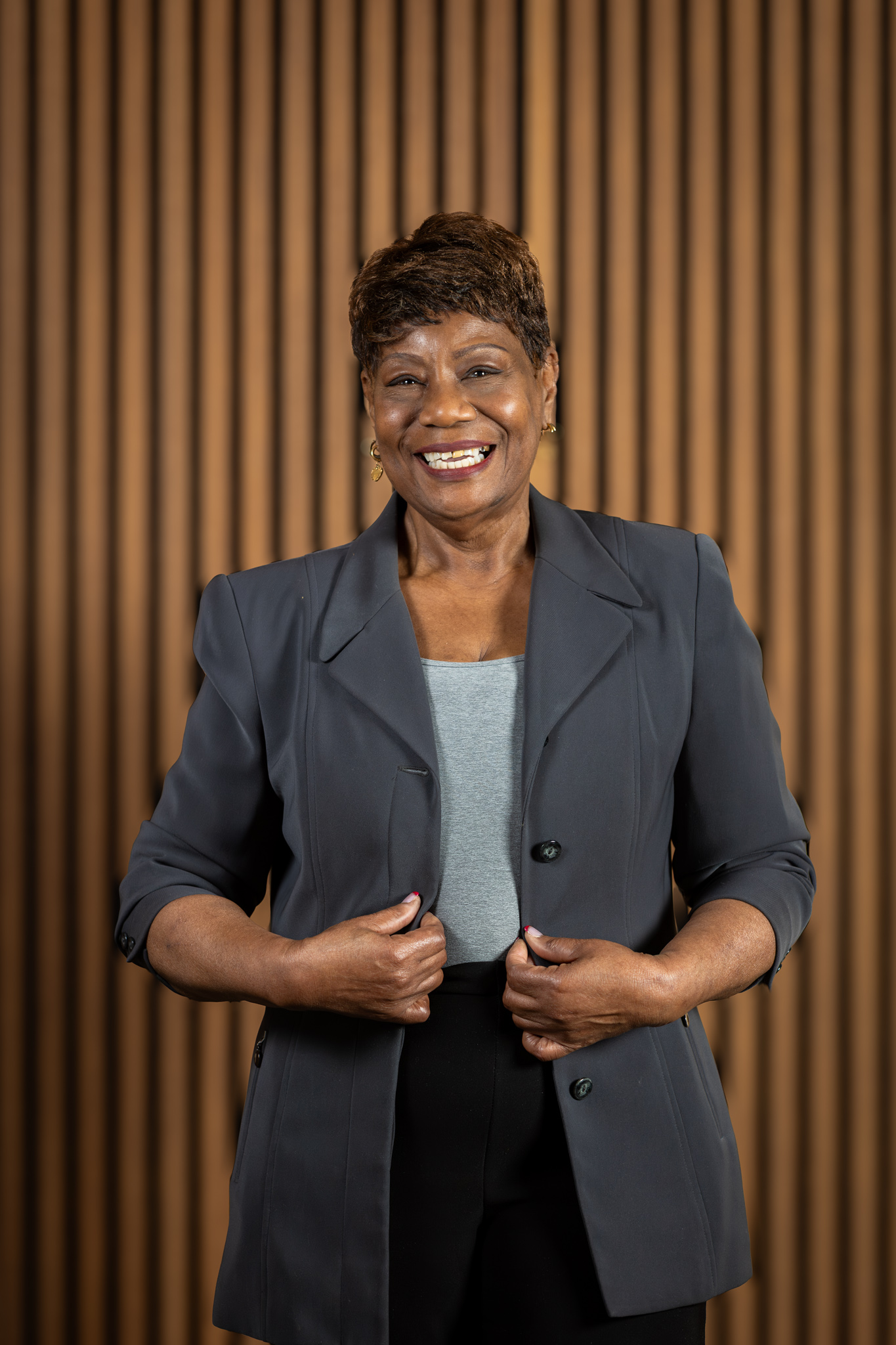 Tipping Point is proudly majority female-led. How does that shape your agency culture and client experience?
Meghan Gleason, Account Coordinator: Its inspiring to me that the women in the office are also mothers, partners, board directors, and volunteers – and that is reflected in the culture. Our agency is shaped by women who show up to work every day, then go home and show up in every other aspect of their life, too. You can guarantee that the women at Tipping Point are giving you their best, and then some.
Amy Holcomb, Director of Client Services: “Empowered women empower women” – Kerry Washington. This quote really sets the tone for how culture is shaped at Tipping Point. Michelle empowers everyone around her to be the best by learning, sharing, and modeling our core values. This transcends to everyone in the office, not just women. When the team is empowered, they aren’t afraid to speak up in meetings, throw out an idea that might just be the best big thing or make a mistake. There is a freeing quality about the culture that encourages us to be our best self everyday and I really think this is transferred to our clients in the way we do things and carry ourselves.
Shannon Munier, Senior Account Executive: love working for a company that supports and encourages confident and accomplished women. I always feel that we’re being cheered on and lifted up.
Laura Zigarowicz, Director of Agency Operations: It creates a culture where empathy is front and center. Our team (men and women) bring a lot of different perspectives to the table, and there’s a real sense of support for one another. That energy carries over to our clients. We take time to listen, ask thoughtful questions, and truly understand what they’re trying to accomplish. When people feel heard and respected, stronger ideas come out of the process.
Sophia Germano, Senior Media Buyer: Working for a female-led agency has created a culture that prioritizes collaboration, support, and open communication. It encourages different perspectives and thoughtful problem-solving, which ultimately leads to stronger ideas and better outcomes for our clients.
 What is one thing Michelle does as a leader that makes you feel empowered or supported?
Trish Wiest, Media Director: One thing Michelle does that really makes me feel supported is the way she trusts me to run with my work. She has reasonable expectations, but she doesn’t micromanage; she gives me the space to figure things out and do it in my own way. At the same time, I know she’s always available if I need input or want to talk something through. That mix of trust and approachability makes it a lot easier to feel confident and do my best work.
Meghan Gleason, Account Coordinator: Michelle likes to give “high-fives,” which are little recognitions of the work you are doing or things you have accomplished. Sometimes after a client meeting or proposal, Michelle will send me a high-five. It’s a small gesture that lets you know she’s thinking of you.
Amy Holcomb, Director of Client Services: Michelle is a very involved leader; however, she allows us the opportunity to manage our clients as if they were our own agency. That personal accountability and trust are something that is not taken for granted. With that said, she always makes herself available to bounce ideas off of, strategize or be a listening ear – she often has a unique point of view that adds tremendous value to the client or opportunity. She is one of the best listeners I have met and asks pointed questions based on her active listening.
Joe Ann Latimer, Office Manager: Michelle creates an environment where you’re encouraged to grow and take ownership of your work. She trusts her team, gives people the space to lead, and supports new ideas even when they push us outside our comfort zones. That confidence in our abilities makes you want to rise to the challenge.
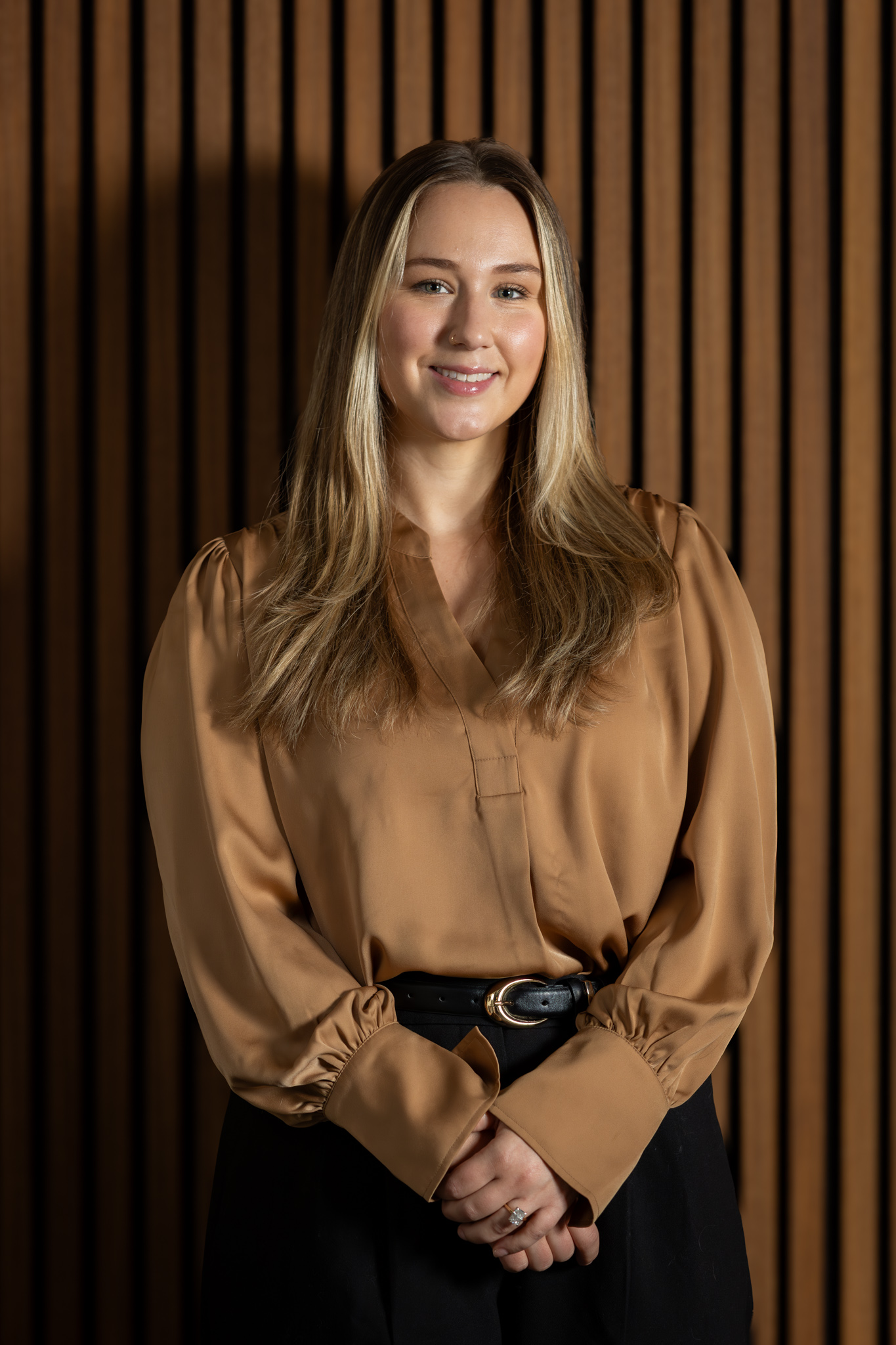 Shannon Munier, Senior Account Executive: Michelle empowers each of us to take charge of our work and feel confident in our expertise. We are always encouraged to try new things, offer alternative ideas, and strengthen our client relationships.
Laura Zigarowicz, Director of Agency Operations: Michelle challenges you to grow and be the best version of yourself. She is a strong advocate for professional development and coaching, always encouraging the team to keep learning and sharpening their skills. She also makes it a point to recognize great work and celebrate both the big milestones and the small wins along the way.
Sophia Germano, Senior Media Buyer: One thing Michelle does really well is keep the team connected to the bigger picture. She’s transparent about where the agency is going and how our work contributes to that vision. That makes it easier to stay motivated and feel like you’re part of something bigger than just day-to-day tasks.
How does collaboration across media, analytics, PR, and creative teams create stronger campaigns?
Meghan Gleason, Account Coordinator: A great campaign needs all elements. What’s unique about Tipping Point, is it all happens under one roof. We all work together to understand a client, and it’s needs and how we can create the best outcome for them.
Amy Holcomb, Director of Client Services: Having the ability to collaborate across disciplines from media, analytics, PR and creative creates a wonderfully unique atmosphere for a client. One where creativity thrives and ideas are built off of one another. We are able to see first-hand from our analytics which tactics and pieces of creative are working and making a difference and optimize in real time based off what the data is telling us. We are a full-service shop, so the environment is collaborative with the client’s business goals at the heart of every campaign. Our PR teams are closely interconnected with our clients so when a need does arise, we’re already engrained in that client’s business and understand the business goals, stakeholders and challenges.
 Shannon Munier, Senior Account Executive: It allows us to get a first-hand look into what other teams are doing, giving us a deeper understanding. That deeper understanding strengthens the results that clients get from us because we know when to pull in other tactics and teams to support the work that we are each individually doing. We complement each other in a way that I don’t think would be possible without the collaboration that we prioritize day-to-day.
Laura Zigarowicz, Director of Agency Operations: The best ideas rarely come from one department. One team might spark an insight that inspires the creative. Another might uncover data that changes how the story is told. That constant back-and-forth is where the tipping point happens. Our brainstorming sessions are exciting when we have representation from each department and the ideas flow.
Sophia Germano, Senior Media Buyer: Collaboration across teams allows us to approach campaigns from every angle. Analytics helps uncover insights, media ensures we’re reaching the right audience, PR builds credibility, and creative brings the story to life. When those disciplines work together from the beginning, the result is a more cohesive strategy and a stronger impact for the client.
What does the TPX(e) approach look like from your perspective when working with clients?
Amy Holcomb, Director of Client Services: TPX(e) is Tipping Point’s elevated analytics offering. From linear reach extension, live dashboards to Media Mix Modeling, everyone wants to know how their advertising is performing and what tactics, creative, etc. are making a difference. We’re able to use data to structure our client campaigns so we’re nimble – seeing when something is working or not and implementing a change quickly instead of waiting a month or so after the media is going to then evaluate how it worked. Everyone is driven on ROI that the more you can focus on real time, the better the experience for the client.
Laura Zigarowicz, Director of Agency Operations: For us, it always comes back to helping clients find their “X Factor,” the thing that truly makes them special. Once that’s clear, everything else clicks. The strategy becomes sharper, the messaging becomes more authentic, and the creative feels more meaningful because it reflects who they really are.
In a world of quick wins and short-term metrics, how do you prioritize long-term strategy and measurable impact?
Amy Holcomb, Director of Client Services: Building time to be thoughtful and strategic is intentional and doesn’t happen by accident. At Tipping Point, we are encouraged to make time to do deep thinking and slow down instead of “go go go.” It makes such a difference when you bring a really thoughtful question or strategic vision to a client meeting. In a world of “we have to get it done now,” deep thinking is often a lost skill but one of the most valuable things you can bring to a client relationship.
Shannon Munier, Senior Account Executive: Ongoing and consistent communication with our clients is key. We ensure that we are consistently referencing the overall strategy developed at the start of the contract. This allows us to look at each individual win we pursue and ensure that it fits into our broader goals.
Laura Zigarowicz, Director of Agency Operations: We schedule internal deep dive sessions with various team members about a specific client to see if there are ways, we can service the account better. This gives our clients fresh ideas and makes us true partners.
What makes Tipping Point different from other agencies in Western New York?
Meghan Gleason, Account Coordinator: What makes Tipping Point different is our size. We are small but mighty. In any given day, I may be conversing with 10 different companies about their marketing and PR tactics. Because Tipping Point is a small team, I get to work on several different client accounts and work closely with every single member on our team.
 Laura Zigarowicz, Director of Agency Operations: Curiosity is one of our values and we encourage and support all of our employees to dig into any aspect of their job to see if it can be done better, service our clients better, and produce better campaigns. The tools available to marketers are growing exponentially, and we love to dive into new things.
Sophia Germano, Senior Media Buyer: Tipping Point stands out because of how integrated the team is. Media, PR, and creative aren’t operating in silos; they are working together from the beginning. That integration and close collaboration allow us to move faster, think more strategically, and deliver campaigns that are both creative and impactful.
How do you ensure data and analytics enhance creativity rather than limit it?
Meghan Gleason, Account Coordinator: Analytics are used as guides and references. I’d say creativity comes first, but the data points show us what is working and what’s not, so we know how to make our content better, and what to scale back on.
Amy Holcomb, Director of Client Services: Data driven campaigns are so important because we’re seeing first-hand what is working and what isn’t. Using technology can help by reviewing complex data points or uncovering themes or patterns that could take hours. We’re then able to take those learnings and apply that to the campaign and our creative vision
Laura Zigarowicz, Director of Agency Operations: We see data as a source of inspiration. It helps us understand audiences better and uncover opportunities we might not have seen otherwise. Once we have those insights, the creative team has the freedom to explore ideas that connect emotionally. The numbers guide us, but imagination still leads the way.
What is one campaign or client success story that truly represents the “X Factor” moment for your team?
Meghan Gleason, Account Coordinator: One of the first campaigns that I worked on at TPX was our partnership with Endless Highway, a non-profit that provides opportunities to those using mobility devices. Our video and creative team produced a beautiful video for them, our PR team helped organize a launch event, and many other TPX members had their hands on the project as well. After the campaign, the Endless Highway team brought lunch to the office, and we all reflected on the unique experience we had together. It was a unifying and special moment with the client.
Laura Zigarowicz, Director of Agency Operations: The “Dear Canada, Love Rochester” campaign is a great example. Instead of a traditional tourism message, we created something that felt warm and personal. It invited Canadian travelers to experience Rochester like a neighbor visiting for the weekend. Seeing that idea come to life across video, digital, outdoor, and even curated mailer boxes was a real X Factor moment for the team.
As women in marketing and communications, what advice would you give to young women entering the industry today?
Meghan Gleason, Account Coordinator: Women are the ones who get things done. I have never met anyone with more drive, determination, and motivation than the team at Tipping Point. I would tell young women to just go for it – you are the youngest in the room for a reason. You are qualified, valuable, and your opinion matters.
Amy Holcomb, Director of Client Services: Women have this amazing sense of intuition – I would say always trust your gut. Another piece of advice I would give, that I learned from a female executive, is never follow the path that someone else wants you to take- follow your own path, and if there’s isn’t a path to where you want to go, make one!
Shannon Munier, Senior Account Executive: Don’t be afraid to ask questions and prioritize looking for a team that will empower you to learn and grow.
Laura Zigarowicz, Director of Agency Operations: Speak up and trust your ideas. Early in your career it can be easy to hold back, but your perspective matters. Surround yourself with people who encourage you to grow, ask lots of questions, and stay curious. This industry rewards creativity and confidence, and both of those develop with experience.
And listen to podcasts! There are so many great ones out there that will help you continue to build your skills…. put it on your schedule to listen to one every time you drive to work or walk the dog or workout.
Sophia Germano, Senior Media Buyer: Be curious and stay adaptable. Marketing and communications are constantly evolving, and the most successful people are the ones who keep learning and aren’t afraid to try new things
Looking ahead to the next 5–10 years, what’s the next tipping point for Tipping Point Communications?
Laura Zigarowicz, Director of Agency Operations: Keep it human! Marketing is changing quickly, especially with AI tools. The next big moment will come from combining those tools with strong human insight. The agencies that succeed will be the ones that use technology thoughtfully while continuing to tell authentic stories and build real relationships with audiences.
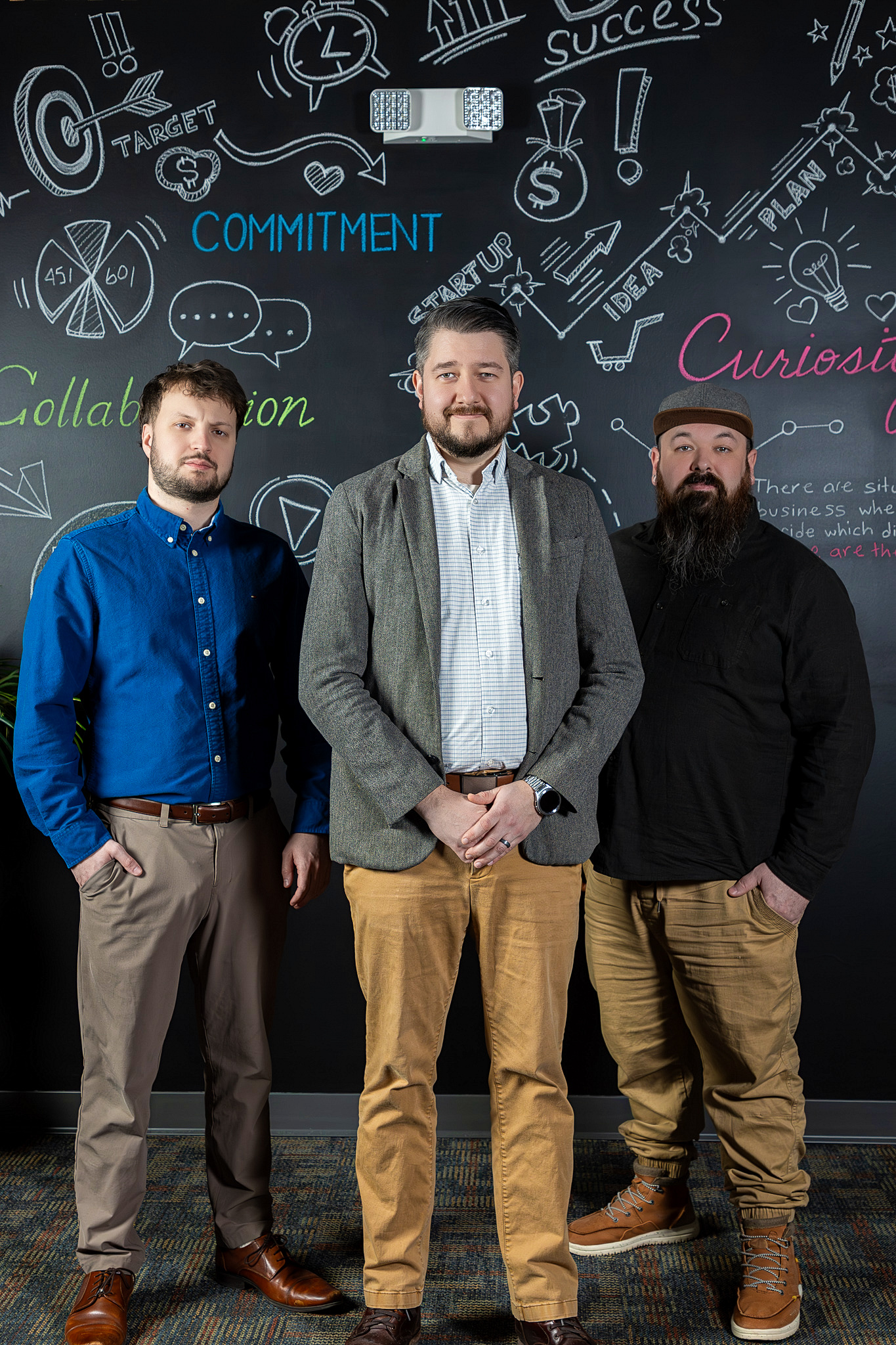 At its core, Tipping Point Communications is more than an agency — it’s a reflection of the people behind it. A team largely led by women who bring not only expertise, but empathy, resilience, and perspective into every strategy, every campaign, and every client relationship. Their collaborative culture — where media, analytics, PR, and creative work seamlessly together — isn’t just a business model, it’s their competitive advantage. It’s where ideas are challenged, strengthened, and transformed into something greater than the sum of their parts.
That same spirit is what fuels the agency’s defining philosophy: the pursuit of the “X Factor.” It’s not about chasing trends or quick wins — it’s about uncovering the deeper truth behind a brand and building strategy from that foundation outward. With a balance of data-driven insight and human-centered storytelling, Tipping Point continues to prove that the most impactful marketing doesn’t just reach people — it resonates with them.
As the industry evolves, one thing remains clear: the future belongs to those who can blend innovation with authenticity. For Michelle and her team, the next chapter isn’t just about growth — it’s about staying grounded in what matters most. Real relationships. Real insight. Real impact. And as they continue to push boundaries while keeping that human connection at the center, Tipping Point Communications isn’t just keeping up with change — they’re helping define it.